


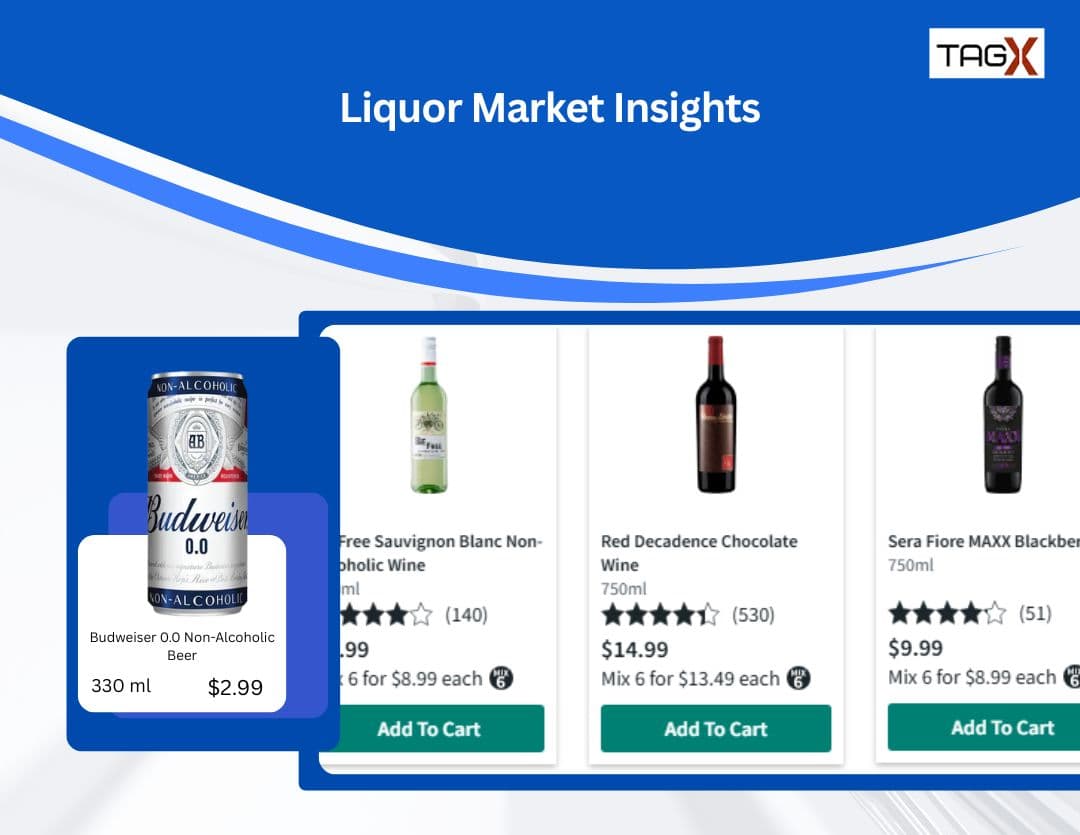
Competition in the liquor industry keeps growing as new brands and products enter the market every day. With so many choices on store shelves, it has become harder for businesses to understand what customers really want. This is where Liquor Market Data plays an important role.
Shoppers now look for unique flavors, better packaging, and fair prices. Trends change fast, and brands must keep up to avoid falling behind. By studying what people buy, how they compare prices, and which products gain attention, companies can make better choices instead of guessing.
When businesses collect clear and organized information from online stores and digital shelves, they start to see real patterns in customer behavior. These insights help them plan smarter, improve their product lineup, and stay competitive in a fast-changing industry.
Understanding Liquor Market Research and Liquor Industry Data
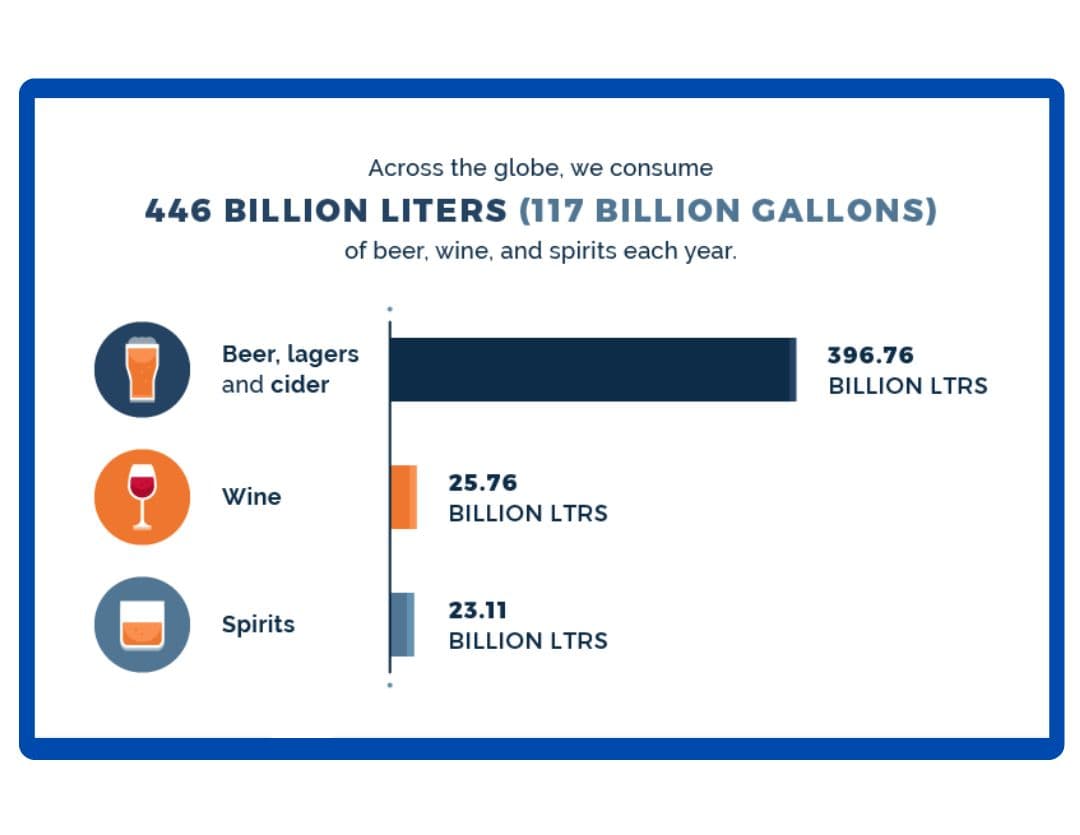
Liquor market research helps brands understand what people are buying and why their choices change over time. It shows which new categories are growing, like craft spirits or ready-to-drink cocktails, and which ones may be slowing down. This kind of research also highlights regional trends, such as which products sell better in certain states or cities. By looking at these patterns early, businesses can adjust their plans before the market shifts.
Liquor Industry Data gives brands a closer look at what their competitors are doing. It shows how often new products are launched, what prices are changing, and which items are getting more attention online. When combined with Liquor Market Data, companies get a full picture of the market, helping them understand demand, spot growth areas, and build stronger strategies that match real consumer behavior.
Read more: 2026 Buyer’s Guide to Choosing the Right Web Scraping Services
Methods for Collecting Liquor Data Across Digital Platforms
Brands today use different methods to gather accurate liquor data from online sources. These approaches make it easier to track trends, monitor competitors, and understand customer preferences. By knowing how to collect liquor data effectively, companies can make smarter decisions backed by reliable insights.
Manual Data Collection
Brands or analysts visit websites, marketplaces, and online stores to record product details, prices, and reviews. While this works for small-scale research, it can be time-consuming.
Automated Data Extraction
Structured data collection from digital platforms allows brands to gather product names, prices, availability, and ratings automatically. TagX provides services that simplify alcohol market data collection, making it faster, more accurate, and scalable for large datasets.
Data Aggregation
Combining information from multiple sources—like e-commerce stores, brand sites, and review platforms—gives a comprehensive view of the liquor market.
Competitor Monitoring
Tracking competitor product launches, pricing changes, and promotions allows brands to benchmark performance and identify market gaps.
By using these methods, businesses can improve alcohol market data collection and obtain actionable Liquor Market Data to support competitive strategies.
Collecting Liquor Product Data for Category and SKU-Level Insights
Understanding how each product performs is key for liquor brands that want to stay competitive. Collecting liquor product data gives businesses the details they need to track sales, spot trends, and respond to customer preferences quickly. By analyzing this data, companies can make smarter decisions at both the category and SKU level.
Identifying Bestsellers and New Launches
Liquor product data helps businesses see which items sell the most and which are gaining attention. By tracking sales trends, companies can spot bestsellers and understand when new flavors, sizes, or packaging updates are launched. This insight allows brands to react quickly and make informed decisions.
Tracking Packaging Variations
Changes in packaging can influence customer choices. Collecting liquor product data lets brands monitor different designs, sizes, and labeling updates. This helps them see which packaging resonates with consumers and which needs improvement.
Understanding Category Growth
Liquor market research shows which categories are growing fast, like craft spirits or ready-to-drink cocktails. By comparing SKU-level data, companies can identify popular segments and make better inventory and marketing decisions.
Making Data-Driven Decisions
With accurate product-level insights, brands can improve inventory planning, optimize pricing, and launch products that match real customer demand. This makes it easier to stay competitive in a fast-changing liquor market.
Get accurate Liquor Market Data and stay ahead of your competition. Contact TagX today!
Top 5 Companies for Liquor Data Collection
When it comes to collecting accurate and structured liquor market data, choosing the right service provider is essential. Here are five top companies that help brands gather liquor product and pricing information efficiently.
| Company Name | Key Services | Specialization |
|---|---|---|
| TagX | Web scraping, structured liquor product & pricing data | Automated large-scale liquor market data collection |
| Import.io | Data extraction, API integration | Collects product and pricing data from e-commerce sites |
| Octoparse | Visual web scraping, data export | Easy-to-use platform for gathering product listings & reviews |
| DataMiner | Browser-based scraping, structured data output | Scrapes online marketplaces and retailer sites for product & pricing data |
| ParseHub | Cloud-based scraping, API access | Captures product pages, pricing, and reviews at scale |
Gathering Liquor Pricing Data for Competitor Benchmarking
Understanding competitor pricing is essential for any liquor brand. Gathering liquor pricing data allows businesses to see how their products compare, spot market trends, and make informed pricing decisions. By analyzing prices across stores, regions, and online marketplaces, brands can improve competitive positioning and maximize sales.
Tracking Prices Across Physical Stores
Monitoring prices in local liquor shops and chain retailers helps brands understand regional differences and identify promotions that may affect sales.
- Monitor local and national retail stores
- Identify regional price variations
- Spot discounts and promotional trends
Monitoring E-Commerce Marketplaces
Online marketplaces provide a large volume of pricing information. Tracking these prices helps brands see competitor strategies and understand product popularity.
- Compare prices on major e-commerce platforms
- Track price changes over time
- Identify products gaining attention due to competitive pricing
Analyzing Liquor Industry Data for Insights
Combining liquor pricing data with broader Liquor industry data gives brands actionable insights. This supports smarter strategy planning and better market positioning.
- Analyze sales trends alongside pricing
- Benchmark competitor pricing across categories
- Plan promotions and launch strategies based on data
By using structured data collection methods, companies can leverage liquor pricing data and industry insights to stay ahead of the competition and make confident business decisions.
How to Collect Liquor Data from Online Marketplaces and Brand Sites
Collecting Liquor Market Data from online platforms is essential for understanding product availability, pricing trends, and customer preferences. By gathering detailed information from marketplaces and brand websites, companies can track competitors, spot emerging trends, and make smarter decisions about which products to promote or launch.
Step 1: Monitor Online Marketplaces
Online marketplaces provide a comprehensive view of the liquor industry in one place. They help brands understand pricing strategies, product availability, and customer interest at scale.
- Record product names, sizes, and variations
- Track pricing trends, discounts, and special offers
- Monitor stock levels and product availability across regions
- Identify top-selling products and high-demand categories
Step 2: Check Brand Websites
Brand websites often highlight new launches, limited editions, and detailed product information. Tracking these sites ensures brands capture accurate liquor product data.
- Collect product descriptions, flavors, and sizes
- Note packaging updates, promotions, or seasonal items
- Track customer reviews, ratings, and feedback to gauge sentiment
Step 3: Organize and Analyze Data
After collecting data, organizing it systematically makes it actionable. Comparing multiple sources helps brands understand what works, spot gaps, and plan competitive strategies.
- Sort products by category, price, and popularity
- Identify top performers and emerging trends
- Use insights to refine marketing campaigns, inventory planning, and product launches
Step 4: Leverage a Web Scraping Service Provider
For large-scale data collection, partnering with a web scraping service provider like TagX ensures accuracy, speed, and scalability. TagX helps businesses gather liquor product data efficiently from multiple digital platforms, making the process easier and more reliable.
- Automate data extraction from marketplaces and brand websites
- Collect structured data for analysis without manual effort
- Scale data collection across hundreds of products and categories
By following these steps, companies can efficiently gather How to collect liquor data from digital shelves. Leveraging structured Liquor Market Data through a professional service provider like TagX allows brands to stay competitive, make informed decisions, and anticipate shifts in consumer preferences
Analyzing Liquor Market Data to Identify Competitor Strengths
Collecting Liquor Market Data is only the first step. The real value comes from analyzing it to understand competitors, uncover gaps, and make smarter business decisions. Brands use this information to benchmark pricing, track new product launches, and gauge consumer sentiment, which helps them stay ahead in a competitive market.
Liquor market research helps brands spot areas where competitors are underperforming or where customer demand is not fully met. Companies can identify emerging flavors, popular packaging, or regions with untapped potential. By studying competitor promotions and pricing strategies, businesses can ensure their own products remain competitive without losing profitability.
Tracking product launches gives brands insight into market trends and allows them to stay relevant. Monitoring customer reviews helps companies understand what consumers like or dislike about certain products, which can guide improvements and innovation.
By combining liquor market research with structured alcohol market data collection, brands gain a clear picture of competitor strengths and weaknesses, enabling informed decisions and a stronger competitive edge.
Read also: Industry-Specific Web Scraping Services: What Data Matters Most in Each Sector?
How TagX Supports Alcohol Brands in Liquor Market Research
In today’s competitive liquor market, having accurate and organized data is crucial for making smart decisions. TagX helps alcohol brands collect and analyze essential information, giving them a clear understanding of market trends, product performance, and competitor activity. With this data, businesses can make informed choices that drive growth and maintain a competitive edge.
Providing Accurate Liquor Pricing Data
TagX helps brands track pricing across physical stores and online marketplaces. By monitoring price changes and promotional trends, companies can stay competitive and make smarter pricing decisions.
Collecting Detailed Liquor Product Data
With access to liquor product data, brands can identify top-selling items, new launches, packaging updates, and flavor variations. This allows businesses to understand what works in the market and adjust their strategies accordingly.
Leveraging Comprehensive Liquor Industry Data
TagX compiles extensive Liquor industry data to give brands a full picture of market trends and competitor performance. This helps companies plan inventory, marketing campaigns, and product launches based on real insights.
Supporting Competitive Analysis
By combining pricing and product data, TagX enables alcohol brands to benchmark competitors, spot gaps in the market, and make informed business decisions that strengthen their competitive edge.
Conclusion
In today’s fast-moving liquor market, brands can no longer rely on guesswork. Every decision, from pricing to product launches, needs accurate and structured insights. Liquor Market Data provides the clarity brands need to make confident, informed choices.
Accurate Liquor Market Data is the foundation for smart decision-making. Brands that use structured and reliable data can identify trends, monitor competitors, and understand what customers want. Insights from liquor product data and liquor pricing data help companies plan launches, adjust marketing, and optimize inventory. They also help spot growth opportunities and gaps in the market before competitors do.
Liquor industry data keeps brands competitive in a changing market. By analyzing trends, tracking promotions, and understanding consumer behavior, companies can make smarter decisions. To get actionable Liquor Market Data and strengthen your competitive strategy, contact TagX today.