

A recent study from BrightLocal shows that 98 percent of shoppers read customer reviews before buying anything online. This proves how much ratings and comments guide our choices. Most people also read about ten reviews before they decide if they can trust a brand. The number of reviews matters because it makes a company look more real and reliable.
Shoppers also care about how brands respond to feedback. In fact, 88 percent of people are more likely to buy from a business that replies to both good and bad reviews. When companies take the time to answer customers, it shows they care. It also helps build trust and protect their online reputation.
With so many marketplaces out there, brands need a simple way to collect customer feedback from each platform. This helps them understand what buyers want and keep improving their products and services.
Why Customer Reviews Matter for E-Commerce Brands
Customer opinions play a major role in how people shop online. When shoppers see real experiences from others, they feel more confident about what they are buying. This is why customer reviews are often the first thing people look at before checking product details. Strong feedback can build trust fast, while poor feedback can push buyers away.
In e-commerce, these opinions do even more. E-commerce reviews shape how visible a brand is across major marketplaces. Products with steady positive feedback often show up higher in search results. This gives brands more exposure and brings in new shoppers. Reviews also help buyers compare products, understand quality, and decide which seller feels the most trustworthy.
For growing brands, this feedback acts like free insight. It shows what customers enjoy, what needs a fix, and what should be improved next.
How to Collect Customer Reviews from Any E-Commerce Website
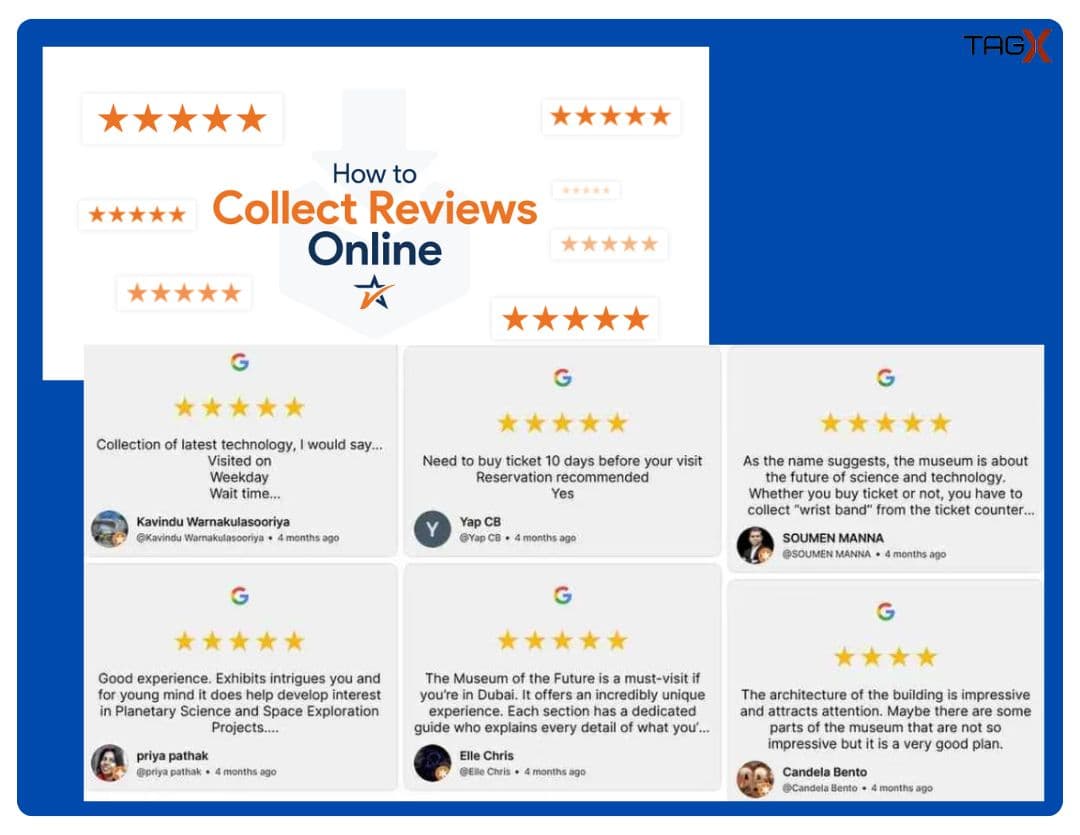
Collecting customer feedback from multiple e-commerce platforms can feel overwhelming. Each site has a different layout, different rules, and thousands of new comments every day. To keep up, brands need a smarter way to gather all this information in one place.
The Challenge of Gathering Review Data at Scale
Many brands struggle to get customer feedback from every marketplace they sell on. Manually checking each site takes time, and the data becomes outdated quickly. At scale, this becomes even harder, which is why learning how to collect customer reviews in a more efficient way is important.
How Web Scraping Helps Collect Reviews from Major Marketplaces
Web scraping makes the process easier by pulling product reviews from platforms like Amazon, eBay, Alibaba, and many others. It collects ratings, comments, dates, and even customer sentiment in a clean and structured format. This helps brands understand real customer opinions without opening every page one by one.
Legal and Ethical Review Collection Practices
Scraping must always follow legal and ethical rules. This means collecting only public data and respecting each website’s terms. When done correctly, scraping provides accurate and organized review data that businesses can use for better decisions and product improvements.
Why Web Scraping Is the Most Efficient Way to Collect Customer Feedback
Collecting feedback the old way usually means scrolling through pages, copying comments, and trying to organize everything by hand. This works for small shops, but becomes impossible when a brand sells on many marketplaces. To keep up, businesses need a faster and more reliable approach to collecting customer feedback from different platforms.
Web scraping solves this challenge by gathering data automatically. It pulls customer reviews from sites like Amazon, Walmart, eBay, and others within minutes instead of hours. The process updates in real time, so brands always have the latest opinions, ratings, and comments. This speed helps companies react quickly, understand trends, and make smarter decisions without wasting time on manual work.
Read more: Scrape Yelp Reviews: A Complete Guide to Collecting Restaurant Review Data
Best Way to Gather Customer Feedback from Marketplaces Using Scraping
Brands need fast and reliable ways to collect feedback from different online marketplaces. With so many platforms, doing it by hand is slow and messy. The best way to gather customer feedback from marketplaces is through scraping because it brings all data together in one place.
Use Scraping to Collect Reviews from Every Marketplace
Scraping gathers product reviews from Amazon, Walmart, eBay, Etsy, and other sites automatically. Instead of checking each platform one by one, scraping pulls everything at once. This helps brands save time and avoid missing important customer opinions.
Extract Ratings and Review Text in a Structured Format
Scraping does more than copy comments. It collects ratings, review text, timestamps, and even images that shoppers upload. The data is clean, organized, and ready to analyze. This gives businesses a clear view of what customers think across all platforms.
Pull Real-Time Updates for Fresher Insights
Marketplace reviews change daily. Scraping captures new updates in real time, so brands always have the latest feedback. Fresh data helps companies react faster, improve products, and understand customer needs sooner.
Capture Buyer Sentiment for Deeper Understanding
Scraping can also read the tone behind a review. It can spot if customers feel happy, confused, or frustrated. This deeper insight helps brands understand not just what shoppers say, but how they feel.
Combine Multi-Platform Data into One Dashboard
When scraping brings everything together, brands can compare reviews across platforms in one clean dashboard. This helps spot trends, track common issues, and see which marketplace performs best.
Improve your review strategy and grow faster on every marketplace by connecting with TagX.
How Review Scraping Supports Growth and Decision-Making
In today’s online world, data helps brands move faster and make better choices. Shoppers leave thousands of comments every day, and these customer reviews hold valuable information that businesses can use to grow. Scraping helps companies collect this data in a clean and organized way, which makes it easier to study and understand.
Scraped e-commerce reviews show real customer opinions about product quality, price, and overall experience. When brands analyze this information, they can see what needs to be improved. It helps teams fix product issues, improve descriptions, or upgrade packaging. Review data also supports inventory planning. For example, if shoppers love a certain item, brands can stock more. If complaints rise, they can pause orders and adjust.
Scraped review insights also guide customer satisfaction strategies. Companies can learn what customers expect, what confuses them, and what makes them happy. This helps brands build stronger relationships and create a better shopping experience.
How TagX Helps Businesses Collect Customer Reviews from Any Platform
Many brands try to gather feedback on their own, but the work quickly becomes overwhelming as reviews come from many different marketplaces. It takes hours to search, copy, and organize everything by hand, and the data often becomes outdated by the time it is ready. Working with experts who already understand how to collect customer reviews makes the entire process faster, easier, and much more reliable.
Why Businesses Need Expert Review Collection
Manual review gathering slows teams down, especially when new reviews appear every minute on major platforms. TagX helps companies keep up by collecting feedback from every marketplace without the daily struggle of checking each site. This lets brands spend more time improving their products and less time searching for customer insights.
Key advantages:
- Reduces time spent tracking reviews manually
- Prevents missed or outdated customer opinions
- Allows teams to focus on product and service improvements
Large-Scale Review Extraction from Any Marketplace
TagX pulls ratings, comments, and full review text from Amazon, Walmart, eBay, Shopify stores, and many other e-commerce sites. It is built to collect customer feedback on a large scale, even when thousands of new reviews appear across different marketplaces. This gives businesses a complete and unified view of what shoppers think.
What TagX can extract:
- Full review text and star ratings
- Review titles and timestamps
- Buyer sentiment and common themes
- Images or media shared by customers (when publicly available)
Accurate, Clean, and Consistent Review Data
TagX delivers review data that is clean, organized, and ready for use. Everything is structured in a clear format, so brands do not waste time fixing messy files or searching for missing details. This level of consistency helps teams make decisions faster and understand patterns across multiple sales channels.
Data formatting benefits:
- Standardized fields for easy comparison
- Organized datasets for analysis or reporting
- Reduced errors and missing information
- Smooth integration into analytics dashboards
Real-Time Updates for Better Insights
Customer opinions change quickly, and keeping up with them is essential for growth. TagX provides real-time review updates, giving businesses the latest insights as soon as shoppers post them. This helps brands react to issues faster, adjust products, and stay connected to customer needs.
Real-time advantages:
- Instant alert on new reviews
- Quick response to negative feedback
- Faster trend detection
- Continuous understanding of customer expectations
Read also: How to scrape Amazon Reviews in 2026: A Complete Guide
Final Thoughts
Collecting customer reviews on a regular basis is one of the smartest habits any e-commerce brand can build. Reviews reveal what shoppers enjoy, what needs fixing, and what can be improved to increase trust and sales. When brands pay attention to these insights, they make better decisions and build stronger relationships with their customers.
Scraping makes this process easier by gathering review data from all marketplaces in one place. It removes the slow manual work and gives companies a clear view of real customer sentiment. With accurate and updated insights, brands can spot trends early, respond faster, and grow with confidence.
If you want clean, consistent, and reliable review extraction for your business, contact TagX to get started.