

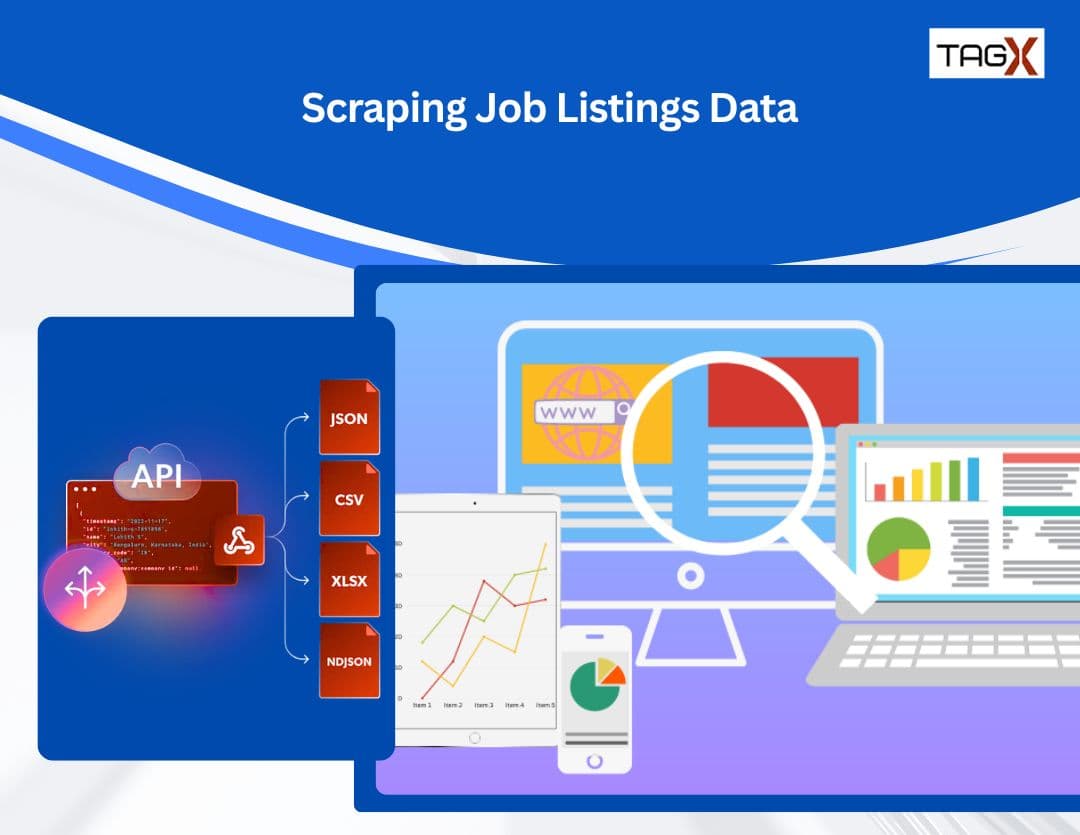
I was looking into job data sources recently, and I see most businesses struggle with the same thing. Getting clean and reliable job data is not as easy as it looks. There are always gaps, outdated listings, or data that just do not scale well.
So, which companies actually provide reliable job data, and how do you choose the right one?
Recent reports show that many businesses now rely on external data to track hiring demand. Many teams try to scrape Google Jobs data on their own, but as the data grows, managing accuracy becomes difficult..
That is why businesses look for services that offer clean job listings data and access through a google jobs api. A reliable Google jobs scraper, along with job scraping and job data scraping methods, helps extract Google Jobs data efficiently. If you are planning how to collect job data from Google Jobs, using a jobs data api makes it easier to track job market trends data.
What Is Google Jobs Search and Why It Matters for Data Collection
Google jobs search is a feature that brings job listings from different websites into one place. It helps people find jobs faster without jumping between multiple sites.
Google collects job listings data from many sources and organizes it in a simple way. This makes it easy to search, compare, and filter jobs based on what users need.
Here is how the data is gathered and shown:
- Aggregates listings from company career pages, job boards, and recruitment sites
- Group jobs by role, location, and relevance
- Updates listings to show the most recent opportunities
The data includes important details that businesses can use:
- Job title, company name, and location
- Salary, job type, and posting date
- Skills, qualifications, and job descriptions
This kind of job listings data is very useful for analysis. It helps businesses understand hiring demand, track trends, and study competitor activity. As a result, companies can make better decisions and improve their hiring strategy.
Why Businesses Scrape Google Jobs Data for Insights
Businesses need clear and up-to-date hiring data to stay competitive. That is why many companies choose to scrape Google Jobs data to understand what is happening in the job market.
By collecting job market trends data, companies can turn raw listings into useful insights. This helps them plan better and make smarter decisions.
Hiring Trend Analysis
Businesses track which roles are in high demand and how hiring patterns change over time. This helps them adjust their hiring plans and focus on the right roles.
Salary Benchmarking
Companies compare salary ranges across industries and locations. This helps them offer competitive pay and attract better talent.
Competitor Insights
Businesses analyze which companies are hiring and what skills they need. This gives a clear view of competitor strategies and hiring priorities.
Market Demand Forecasting
By studying current job postings, companies can predict future hiring needs. This helps in planning resources and staying ahead in the market.
Key Data Points You Can Extract from Google Jobs Listings
When businesses extract google jobs data, they gain access to structured information that is useful for hiring and market analysis. With the right job data scraping approach, this data becomes easy to organize and use.
These are the key data points you can collect from job listings:
- Job title, company, and location: Helps identify hiring roles, employers, and target regions
- Salary and employment type: Shows pay ranges and whether the role is full-time, part-time, or contract
- Posting date and job description: Indicates how recent the job is and provides details about the role
- Skills and qualifications: Highlights required skills, experience level, and education needs
These data points help businesses understand hiring patterns and make better decisions based on real job market data.
How to Scrape Google Jobs Efficiently at Scale
When you scrape Google Jobs, it is important to follow a structured approach. As data grows, small issues can turn into big problems. A clear job scraping process helps you collect accurate and complete data without confusion.
Handling Dynamic Results
Google Jobs loads content dynamically, which means data does not appear all at once. You need to capture it as it loads.
- Use methods that can read dynamic page content
- Ensure all job listings are fully loaded before extracting
- Track changes in page structure regularly
- Avoid missing hidden or delayed data
Managing Pagination and Filters
Job listings are spread across multiple pages and filters. Missing these can lead to incomplete data.
- Navigate through all result pages properly
- Apply filters like location, role, and date carefully
- Make sure no listings are skipped between pages
- Collect data from different filtered views for better coverage
Structuring the Extracted Data
Raw data is not useful unless it is well organized. Clean structure helps in analysis and reporting.
- Store data in a consistent format
- Keep fields like job title, company, and salary properly separated
- Remove duplicate entries during processing
- Maintain a clean and readable dataset
Avoiding Inconsistencies in Data
Data quality is critical when working at scale. Even small errors can affect insights.
- Regularly check for missing or incorrect values
- Validate data against multiple listings if needed
- Keep data updated to avoid outdated information
- Monitor changes in job listings to maintain accuracy
Methods to Collect Job Data from Google Jobs
If you are planning how to collect job data from Google Jobs, choosing the right method is important. The approach you use will affect how fast, accurate, and scalable your data collection process becomes.
Manual vs Automated Collection
Manual collection means gathering job listings one by one. It may work for small tasks, but it quickly becomes slow and difficult as the data grows. Automated collection, on the other hand, helps save time and effort. It allows businesses to collect large amounts of data in a consistent and reliable way.
Script-Based Extraction
Many businesses use scripts to build a Google Jobs scraper for structured data extraction. This method helps collect key details like job title, company, and location automatically. It also makes it easier to organize the data for analysis. However, scripts need regular updates to keep up with changes in page structure.
Scaling the Data Collection Process
As the need for data increases, the process must scale without losing quality. Businesses need systems that can handle large volumes of job listings while keeping the data accurate. A scalable approach ensures faster collection, better consistency, and reliable results over time.
Get real-time, scalable job data for your business with TagX today.
Using APIs for Real-Time Google Jobs Data Extraction
Accessing job data in real time is important for businesses that rely on fresh and accurate insights. This is where a google jobs api helps by providing structured data without delays.
APIs make it easier to collect and manage large volumes of job data. A reliable jobs data api allows businesses to streamline data collection and focus more on analysis instead of manual effort.
Real-Time Data Access
APIs provide instant access to the latest job listings. This helps businesses stay updated with new postings, changes in roles, and shifting hiring patterns without waiting for manual updates.
Scalable Data Delivery
As data needs grow, APIs can handle large volumes without slowing down. Businesses can collect data across multiple locations and industries while maintaining speed and accuracy.
Integration with Workflows
APIs can easily fit into existing systems and processes. This allows teams to use job data directly in their analytics, reporting, or decision-making workflows without extra steps.
For businesses looking for reliable and scalable job data, TagX provides real-time data services designed to meet growing data needs with accuracy and consistency.
Common Challenges in Google Jobs Data Scraping
When businesses scrape google jobs listings, they often face several challenges that can affect data quality and consistency. Even with a strong job scraping api, handling these issues properly is important for reliable results.
Dynamic Content
Google Jobs loads data dynamically, which means not all listings appear at once. This can make it difficult to capture complete data if the process is not handled correctly.
Layout Changes
The structure of job listings can change over time. Even small updates in layout can break data extraction and require adjustments to maintain accuracy.
Blocking Issues
Frequent requests can lead to restrictions or temporary blocks. This can interrupt the data collection process and slow down large-scale operations.
Data Accuracy
Collected data may include duplicates, missing fields, or outdated listings. Regular checks and validation are needed to ensure the data remains clean and useful for analysis.
Best Practices for Accurate Job Listings Data Extraction
When you scrape google jobs, maintaining accuracy is just as important as collecting the data. Clean and well-structured job listings data helps businesses make better decisions and avoid errors.
Following these best practices can improve data quality and reliability:
- Data validation: Check the extracted data for missing or incorrect values to ensure accuracy
- Consistency checks: Maintain a standard format for all data fields, like job title, company, and location
- Regular updates: Keep the data refreshed to avoid using outdated job listings
- Structured formatting: Organize data in a clear format so it is easy to analyze and use
By following these steps, businesses can ensure their job data remains accurate, consistent, and ready for analysis.
Top Companies Providing Job Data Services for Business Insights
Businesses today depend on accurate job data to understand hiring demand and market shifts. Choosing the right provider with a strong job scraping api can directly impact data quality and scalability.
Reliable providers help businesses access structured job data from multiple sources without delays. This allows teams to focus on insights instead of handling complex data collection.
Leading Job Data Providers Comparison
| Company | Data Coverage | Real-Time Access | Custom Data Delivery | Scalability | Use Cases |
|---|---|---|---|---|---|
| TagX | Global job listings data across industries | Yes | Fully customizable | High | Recruitment analytics, market research, competitor analysis |
| Apify | Multi-source job boards and websites | Yes | Flexible API-based delivery | High | Large-scale job scraping and automation |
| ScraperAPI | Google Jobs, Indeed, LinkedIn, Glassdoor | Yes | Structured JSON and CSV outputs | High | Real-time job data extraction |
| Zyte | Job boards and company career pages | Yes | Custom data extraction services | High | Job trend analysis and talent mapping |
| Mantiks | Global job postings with historical data | Yes | API-based structured delivery | High | Hiring trend tracking and analytics |
| Jobdatafeeds | Millions of global job postings monthly | Yes | Multiple formats like JSON and CSV | High | Job aggregation and analytics |
| ScrapeIt | Multiple job platforms and websites | Yes | Managed data delivery | Medium | Scalable job data collection |
| Bright Data | Large-scale web data, including job listings | Yes | Custom datasets and APIs | High | Enterprise data extraction |
| Oxylabs | Global proxy-based data collection | Yes | API-driven scraping support | High | Large-scale job data extraction |
Why TagX Stands Out
- Real-time jobs data api access for up-to-date insights
- Scalable job scraping api for handling large datasets
- Custom data delivery based on business needs
- Accurate and structured job listings data
Businesses that need reliable and scalable job data can benefit from TagX, which focuses on delivering clean, real-time data without the complexity of managing large-scale extraction.
Conclusion
Accurate job data plays a key role in understanding hiring trends and making informed decisions. As businesses grow, the need to scrape Google Jobs efficiently and at scale becomes even more important.
With the right approach and reliable data services, companies can access clean and structured job data without complexity. If you are looking to simplify data collection and get real-time insights, TagX can help. You can contact TagX to get scalable and customized job data services tailored to your business needs.