


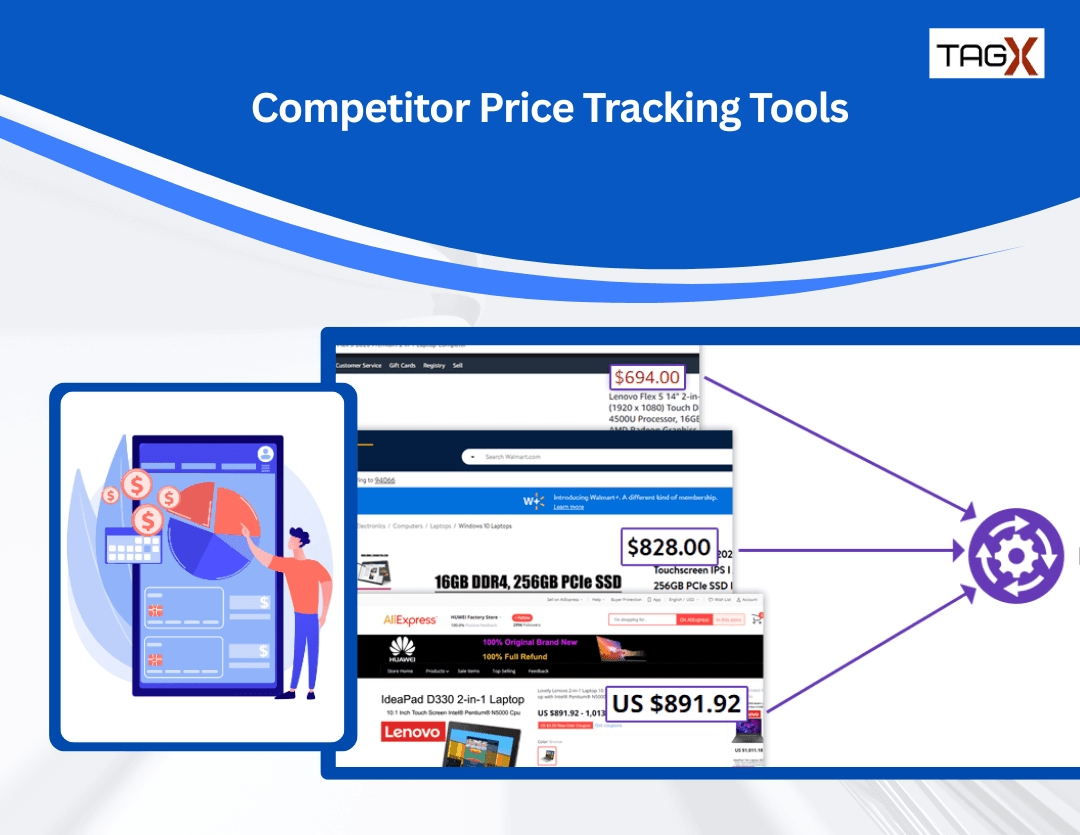
In 2026, the online retail landscape is more competitive than ever. With new competitors, dynamic pricing, and frequent promotions, online stores need to stay vigilant to maintain profitability. Price Monitoring Tools are essential for e-commerce businesses that want to track market trends, optimize pricing, and make informed decisions.
Manual tracking of competitor prices is no longer feasible. Automated solutions like TagX provide structured data, actionable insights, and scalable workflows that allow businesses to respond effectively to market changes.
This guide covers:
- Why Price Monitoring Tools are crucial for online stores
- Key features of top competitor price monitoring platforms
- Leading Price Monitoring Tools for E-commerce in 2026
- How to monitor competitor prices online effectively
- Step-by-step implementation for e-commerce brands
- Why TagX is a market-leading solution
- FAQs
Why Price Monitoring Tools Are Critical for E-commerce and Competitor Price Tracking
Online shoppers expect competitive pricing, and even minor differences can influence purchasing decisions. Price Monitoring Tools help ecommerce businesses track pricing trends, monitor competitors, and adjust strategies promptly.
Competitor price tracking ensures businesses know how their offerings compare to the market. Combining e-commerce price monitoring with automated alerts allows retailers to make data-driven pricing decisions, prevent revenue loss, and capitalize on high-demand opportunities.
TagX provides advanced Price Monitoring Tools that empower brands to streamline competitor price tracking, offering accuracy, scale, and actionable insights.
Read more: E-commerce Price Scraper vs. Price Monitoring Software: Which Is Right for Your Business?
Key Features of the Best Tools to Track Competitor Prices
When selecting Price Monitoring Tools, certain features are critical to ensure success:
Automated Data Collection
A high-quality tool collects large volumes of pricing data across multiple online stores. TagX offers scalable automation that simplifies data acquisition and reduces manual work.
Real-Time Alerts and Notifications
Alerts notify e-commerce teams when competitors change prices, helping businesses respond immediately.
Product Matching Accuracy
Top tools can match products accurately even when titles or descriptions differ. This is vital for effective competitor price monitoring.
Intuitive Dashboards and Analytics
Actionable dashboards help teams interpret trends, identify gaps, and optimize pricing strategies.
Integration With Price Scraping Tools
Integration with price scraping tools enhances data collection and analysis. TagX’s platform works seamlessly with these tools to provide complete insights.
Top Price Monitoring Tools and Competitor Price Monitoring Platforms in 2026
Here are the leading Price Monitoring Tools helping e-commerce businesses stay competitive in 2026. Each platform offers unique features for competitor price monitoring and e-commerce price monitoring.
1. TagX — Leading Price Monitoring Tool and Competitor Price Monitoring
TagX combines automation and enterprise-grade workflows. It is the preferred solution for online stores that need precise insights and scalable pricing intelligence.
Key capabilities:
- Automated competitor price monitoring with real-time alerts
- Reliable and structured data for hundreds of products and marketplaces
- Actionable insights for e-commerce price monitoring and competitor price tracking
Best for: Retailers, marketplaces, and ecommerce teams that require accuracy, speed, and enterprise-ready solutions.
2. Prisync — Best Tools to Track Competitor Prices for Small and Medium Businesses
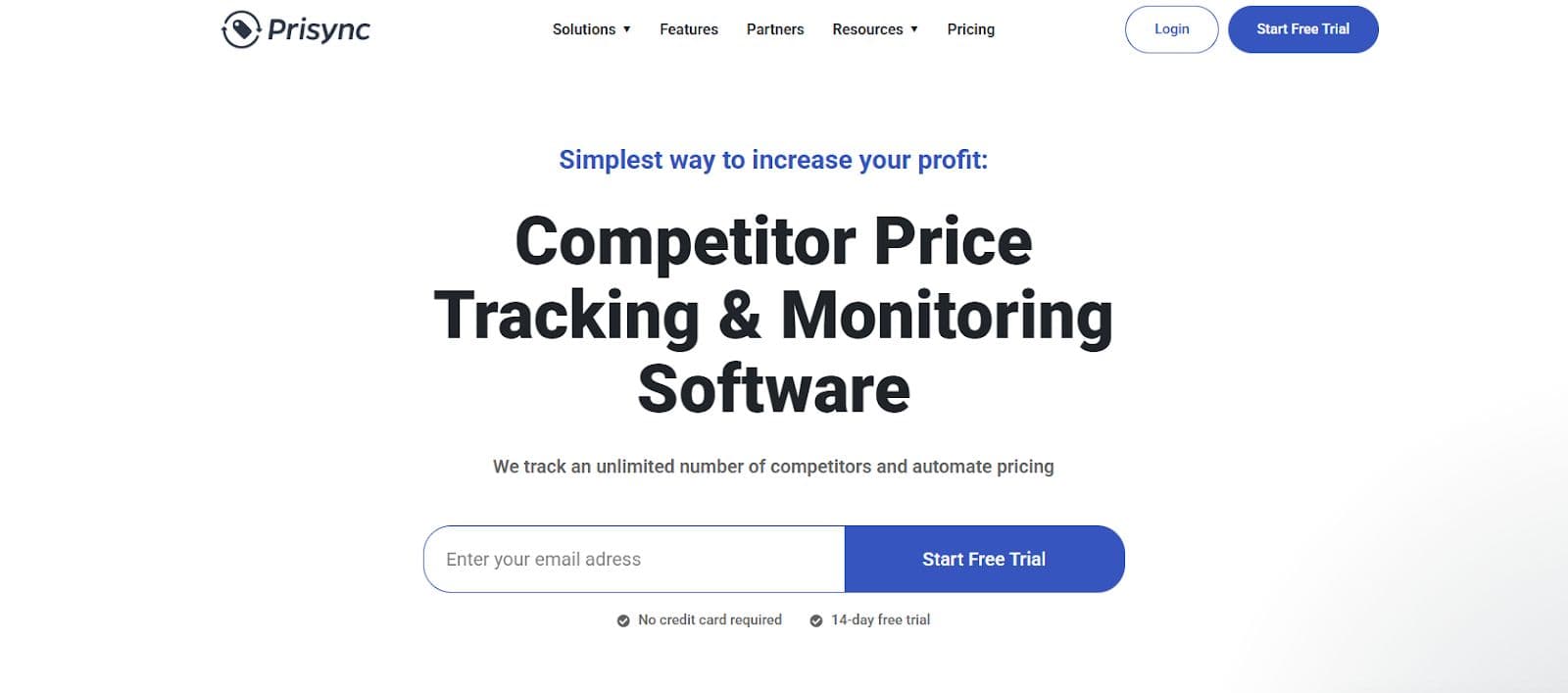
Prisync offers a simple yet powerful solution for competitor price tracking. It automates price monitoring and provides timely notifications.
Highlights:
- E-commerce price monitoring with automated alerts
- Flexible reporting for individual products or categories
Prisync is ideal for small and medium-sized businesses that want fast deployment and actionable insights. It is recognized as one of the best tools to track competitor prices for retailers aiming to stay competitive.
3. Price2Spy — Advanced Price Scraping Tools Integration
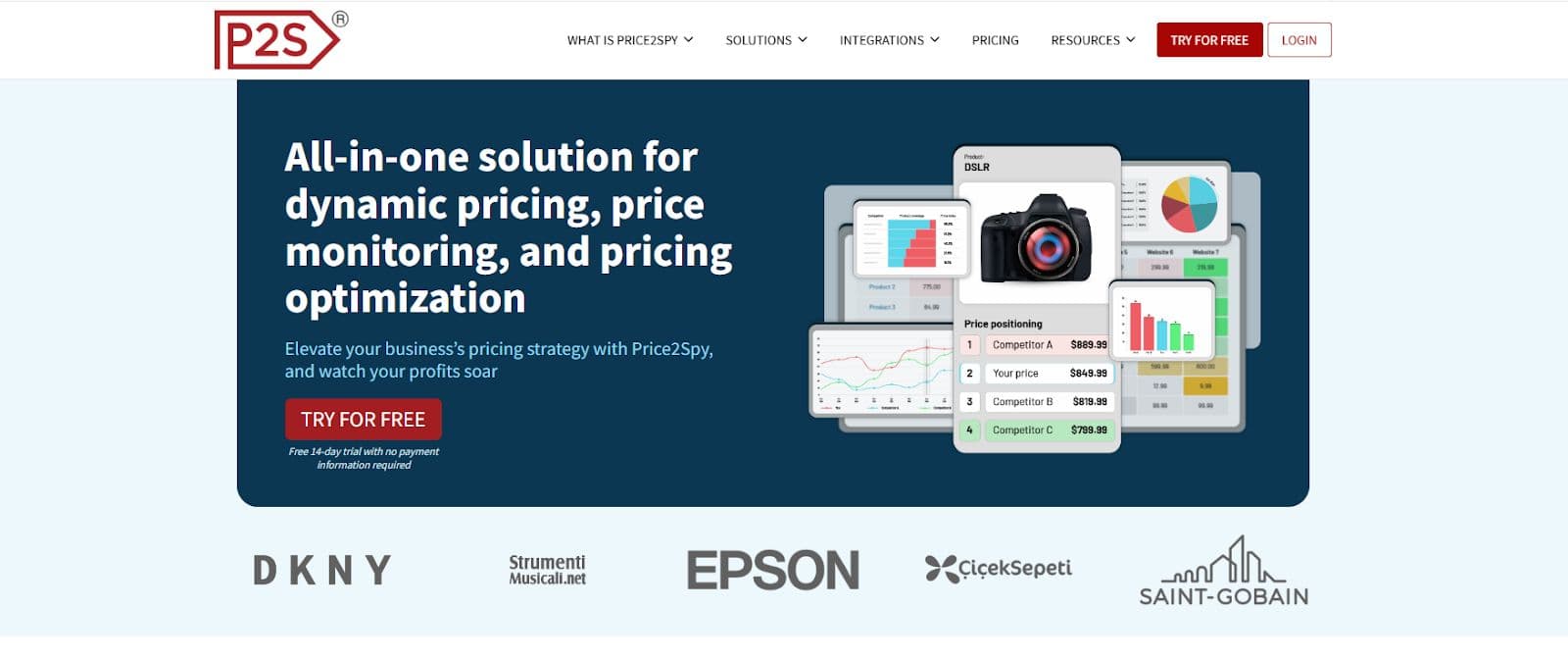
Price2Spy excels in product matching and data accuracy, with strong integration capabilities for price scraping tools. Businesses can monitor prices across multiple marketplaces globally.
Highlights:
- Competitor price monitoring across regions
- Integration with price scraping tools
- Configurable alerts and dashboards
Price2Spy is highly effective for e-commerce teams managing large inventories or international sales.
4. Omnia Retail — How to Monitor Competitor Prices Online Effectively
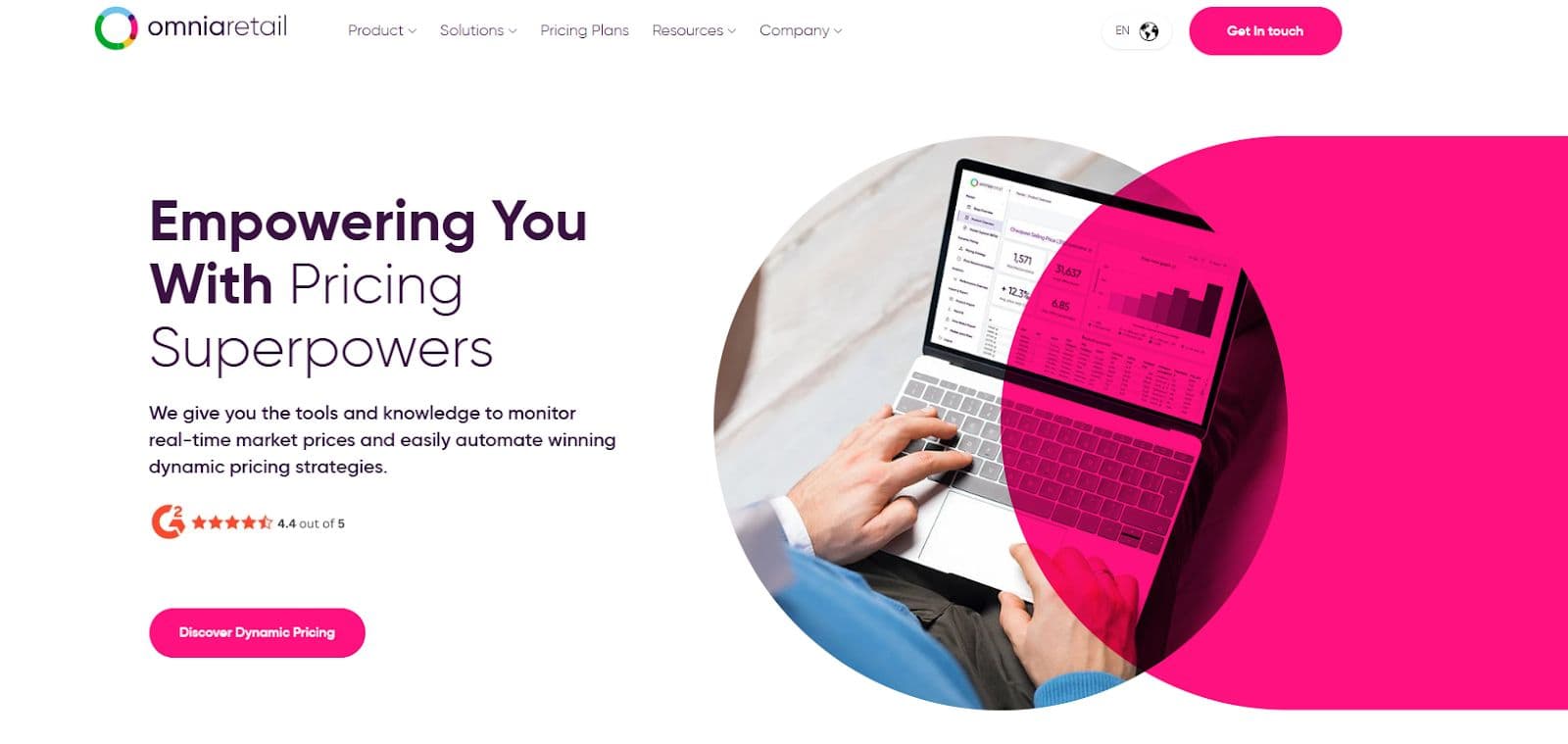
Omnia Retail is known for dynamic pricing and predictive analytics. Brands use it to learn how to monitor competitor prices online and adjust pricing strategies accordingly.
Highlights:
- E-commerce price monitoring across multiple platforms
- Automated alerts based on competitor data
- Actionable insights for pricing optimization
Omnia Retail is ideal for mid-to-large online stores looking to automate pricing decisions and maximize profits.
5. Wiser — Comprehensive Competitor Price Tracking
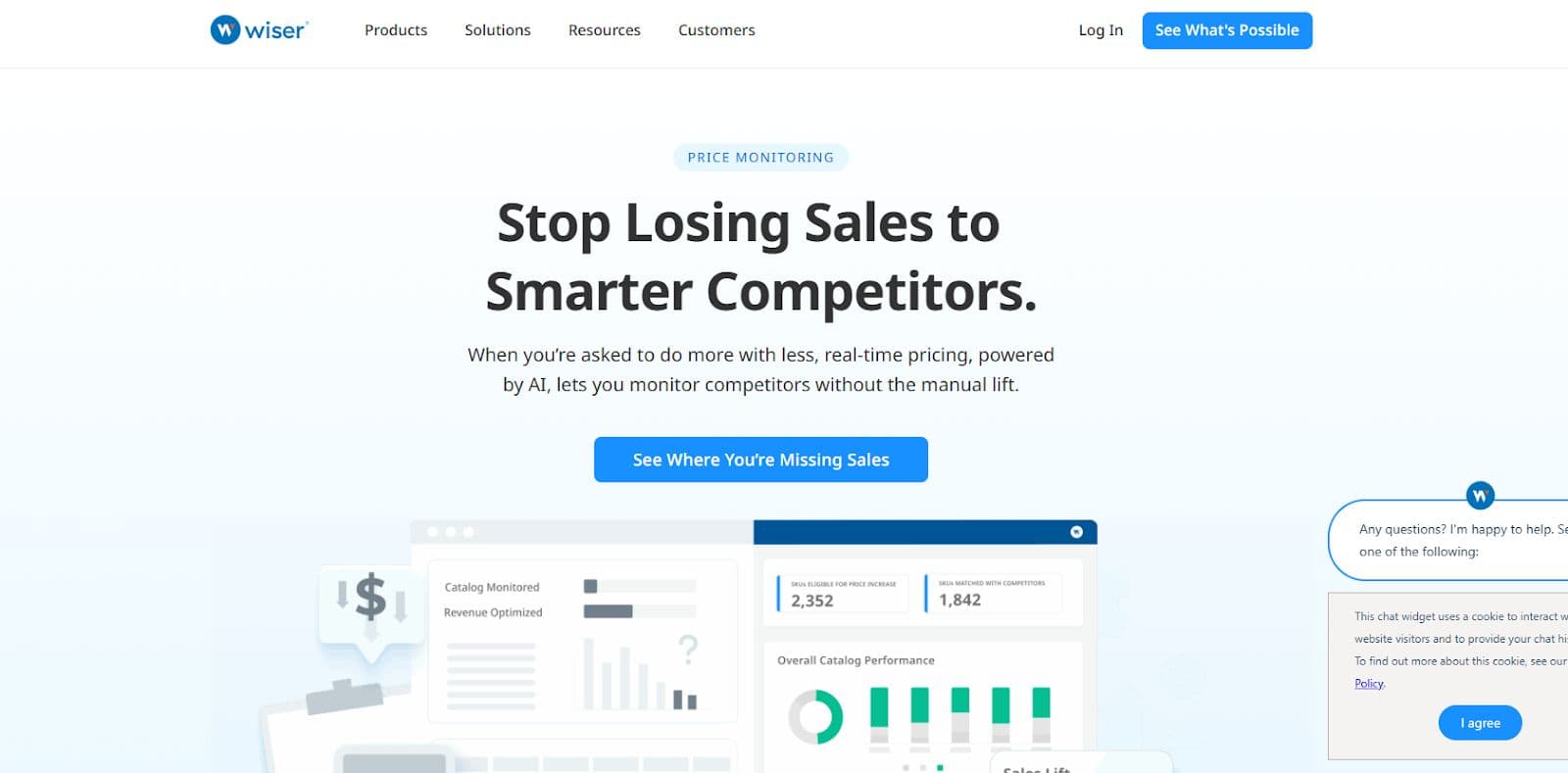
Wiser combines competitor price tracking, e-commerce price monitoring, and analytics in one platform. It enables retailers to optimize pricing strategies efficiently.
Highlights:
- Automated competitor price tracking
- Analytics dashboards for pricing optimization
- Integration with retail data sources for complete insights
Wiser is suitable for businesses that want a unified solution for pricing intelligence and market analytics.
6. Pricefx — AI-Driven Price Monitoring Tools
Pricefx delivers AI-powered pricing intelligence, enabling proactive competitor price tracking. Predictive analytics and dynamic pricing algorithms allow businesses to respond to market changes effectively.
Highlights:
- Competitor price tracking with predictive insights
- Integration with e-commerce platforms
- Advanced analytics for e-commerce price monitoring
Pricefx is designed for large organizations with complex pricing requirements and high-volume catalogs.
How to Monitor Competitor Prices Online Using Price Monitoring Tools
A well-structured workflow is key to effective competitor price monitoring. Implementing a step-by-step approach ensures your ecommerce team collects accurate data, responds quickly to market changes, and makes smarter pricing decisions. Here’s a detailed guide for getting started:
Step 1: Identify Key Competitors
Begin by mapping out competitors that directly influence your pricing strategy or target the same customer base. Focus on those whose products overlap with yours, and consider both direct competitors and indirect market players who may affect consumer decisions. Understanding who to monitor prevents data overload and ensures you track the most relevant price movements.
Step 2: Track High-Value Products
Not every product requires the same level of monitoring. Prioritize items that generate the most revenue, have thin margins, or are frequently discounted. Tracking these high-value products allows you to respond proactively to competitor pricing changes and maintain profitability while protecting your market share.
Step 3: Integrate Price Scraping Tools
Combine reliable price scraping tools with analytics platforms like TagX to gather comprehensive, structured data from multiple sources. Automated scraping ensures you capture competitor pricing, promotional changes, and stock levels at scale without manual effort. This integration allows for a centralized view of your market landscape, saving time and reducing errors.
Step 4: Set Alerts and Pricing Rules
Use automated alerts to stay informed of any price changes in real time. Establish pricing rules based on competitor data—for example, adjusting your prices when a competitor runs a promotion or reaches a certain stock threshold. Automated rules help maintain competitive pricing while minimizing manual interventions.
Step 5: Review and Optimize
Regularly analyze collected data to identify trends, seasonal patterns, and pricing anomalies. Use insights from competitor price monitoring to adjust your pricing strategy, launch targeted promotions, or optimize inventory allocation. Continuous review ensures your pricing remains agile and aligned with market dynamics.
Step 6: Continuous Improvement
Monitoring is not a one-time task. Continuously refine your workflow by auditing data quality, updating competitor lists, and adjusting pricing rules based on evolving market conditions. Over time, this iterative process improves the accuracy of your insights and the efficiency of your pricing strategy.
Read also: Best Web Scraping Companies for E-Commerce Data in 2026
Why TagX Stands Out for E-commerce Price Monitoring
TagX offers the most comprehensive Price Monitoring Tools for e-commerce in 2026. Its platform delivers:
- Scalable e-commerce price monitoring across multiple marketplaces
- Accurate competitor price tracking and actionable alerts
- Integration with price scraping tools for complete market coverage
- AI-driven insights to optimize pricing strategies
With TagX, online stores gain reliable, structured, and actionable data, enabling smarter decision-making and faster response to market changes.
Conclusion
Price Monitoring Tools are essential for e-commerce businesses in 2026. They enable effective competitor price monitoring, e-commerce price monitoring, and smarter pricing strategies. By leveraging automated platforms and price scraping tools, online stores can maintain competitiveness, increase profitability, and respond quickly to market changes.
TagX stands out as a leading solution, providing scalable, accurate, and actionable insights. With TagX, ecommerce brands can implement smarter pricing strategies with confidence and efficiency.
Contact TagX today to request a demo, explore its e-commerce price monitoring capabilities, or get a custom quote.