

Recent reports show that companies now use more data than ever before, and the demand keeps growing every year. Brands want faster answers, better insights, and real-time information to stay ahead. This is why so many businesses look for a data API to help them access the information they need.
But before choosing any service, it is important to understand how pricing works. Costs can change based on the type of data, the number of requests, or the level of access a business needs. Many people do not realize how much these differences can affect their monthly budget.
Another challenge is that not all data API providers share clear pricing details. Some lists only show basic numbers while others hide important limits until later. This makes it even more important for businesses to compare options carefully before they commit.
What Is a Data API and How It Supports Modern Businesses
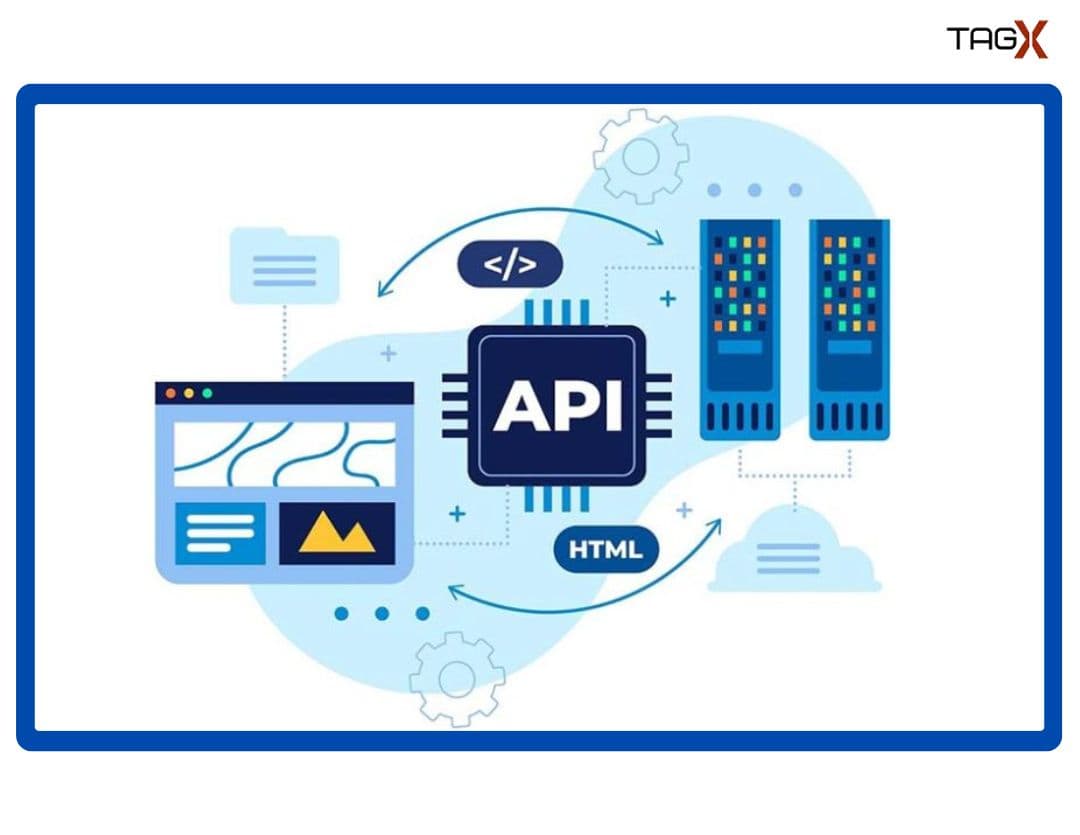
A data API helps businesses pull information from different sources without doing everything by hand. It works like a bridge that connects systems and sends the right data where it is needed. When a business uses a data API, it can collect fresh information in seconds instead of waiting hours or days.
Today, companies rely on structured and real-time data to make smart decisions. Clean and organized data helps teams spot trends, track performance, and understand what customers need. Without fast and accurate data, it becomes harder to stay competitive.
As businesses start comparing options, it is important to look at more than just the price. Features such as speed, limits, coverage, and accuracy can change the value of the service. By checking both the features and the cost, companies can choose a service that fits their goals and supports long-term growth.
Read more: Top Data APIs for Seamless Data Access in 2026
Key Factors You Should Evaluate While You Compare Pricing Plans
When you begin to compare pricing plans, it helps to understand what affects the total cost. Many services charge based on how many requests you make, where the data comes from, and how fast you need the results. These details can change the value you get each month.
It is also important to know how API pricing works so you can avoid hidden fees. Some services list a low starting price but add extra charges for higher limits or special data features. You should also look at the difference between subscription-based and usage-based models to choose the one that fits your data needs and budget.
Key points to check
- Number of requests included
- Geo coverage options
- Filter and category limits
- Speed or priority access
- Subscription costs versus usage-based pricing
How Much Does a Data API Cost Across Popular Providers
Understanding how much a data API costs is important for any business that relies on fresh and accurate information. Prices can change based on usage needs, data coverage, and the features included in each plan. Since different data API providers follow different pricing rules, it helps to compare the basics before choosing the right service.
Pricing Benchmarks in the Market
Basic plans usually start at a lower monthly rate, while higher tiers cost more because they include more volume, faster speed, and added features. These benchmarks give buyers a starting point when reviewing options.
Average Starting Points for Different Plans
Entry-level plans work best for small or light usage needs. Mid-range plans offer more flexibility, and enterprise plans cost more because they support larger volumes and wider coverage. The price gap between tiers depends on speed, accuracy, and data depth.
What Influences Pricing Differences
Different data API providers set their rates based on several key factors. These include request limits, geo coverage, data freshness, and the number of filters offered. Because each provider prioritizes these features differently, their final pricing can vary even when they offer similar services.
Key Cost Factors
- Monthly request limits
- Geo coverage and market depth
- Speed or priority access
- Extra filters and added data fields
Contact TagX today to get a custom data plan that fits your budget and growth.
Compare Pricing Plans of the Best Data API Providers for 2026
Choosing the right data partner can feel confusing because every company prices its service differently. That’s why it helps to compare pricing plans across the best data API providers for 2026. This gives you a clear idea of what you’re paying for, what limits you get, and how each provider fits your needs. The table below shows how TagX compares with other large players in the market.
Comparison Table: Best Data API Providers for 2026
| Provider | Starting Price / Tier | Request Model / Limits | Speed / Performance | Geo Coverage | Pros & Limitations |
|---|---|---|---|---|---|
| TagX | Competitive pricing aligned with major providers (often lower for small businesses) | Flexible request-based or volume-based plans | Fast and stable performance | Global | Pros: Affordable for startups and SMBs, customizable services, and clean structured data. Limitations: Enterprise plans vary based on project size. |
| Bright Data | Starts around $500 per month | Usage-based | High performance | Global | Pros: Large infrastructure. Limitations: Higher pricing for small teams. |
| ScraperAPI | Around $300 per month | Request-based | Good speed | Global | Pros: Simple plans. Limitations: Higher overage fees. |
| Zenscrape | Starts at $300 per month | Request-based | Moderate to good | Global | Pros: Low entry price. Limitations: Limited enterprise features. |
| SerpApi | Starts at $400 per month | Request-based | Strong speed | Global | Pros: Good accuracy. Limitations: Higher cost for scaling. |
Key Advantages and Limitations by Each Provider
TagX
- Competitive pricing similar to top providers
- Often more affordable for small and medium businesses
- Flexible plans for different volumes
- Clean structured data with global delivery
Bright Data
- Powerful infrastructure
- Higher pricing targeted toward bigger teams
ScraperAPI
- Easy entry
- Overage fees can rise quickly
Zenscrape
- Low-cost starting plans
- Not ideal for large enterprise workloads
SerpApi
- Fast and accurate
- Costs increase significantly when scaling
Understanding API Pricing Models and Their Business Impact
Understanding API pricing helps you plan better and avoid extra costs as your usage grows. Each company prices its service differently, so choosing the right structure can make a big difference in long-term value. When you compare a data API, you will see a few common pricing models that shape how much you pay and how your plan scales.
Common Pricing Models
Most providers offer three main options.
- Pay per request: You pay only for the calls you make. This can be affordable at first, but the cost increases quickly as your volume grows.
- Tier-based pricing: You pay a fixed monthly amount for a set limit. It is simple, predictable, and works well for steady usage.
- Custom plans: These are built for businesses that need large volumes or special features. Pricing depends on your project needs.
Choosing the Right Model
Your decision depends on your scale and budget. Pay-per-request works for small or irregular usage. Tier-based plans are best when you want predictable bills. Custom plans make sense for large teams that need flexibility and high volumes.
Expert Tips to Choose the Right Data API Provider for Your Needs
Choosing between different data API providers can feel overwhelming, but a few simple checks can help you find the right fit. Your goal is to focus on what you truly need instead of getting distracted by features that do not support your actual goals. The best match is the provider that gives you accurate data, steady performance, and clear pricing without surprises.
One of the most important things to look for is data accuracy and freshness. You want data that updates in real time or close to real time, especially if you depend on fast decisions. Reliability matters too. A strong provider should maintain stable uptime and offer helpful support when you need it.
Budget planning is also key. The best data API providers will help you understand long-term costs, not just the entry price. Look at how their plans scale when your volume grows. This helps you choose a partner that stays affordable as your business expands.
Read also: Top Developer-Friendly Stock Data API Providers for 2026
Why TagX Is the Better Choice When You Compare Pricing Plans
When companies search for a data API that is reliable, affordable, and easy to scale, TagX consistently stands out. Its clear and transparent API pricing helps businesses avoid hidden charges and manage their budgets with confidence. TagX focuses on delivering high-quality data without pushing costs higher as you grow.
Transparent Pricing You Can Trust
TagX keeps pricing simple and predictable.
- No hidden fees
- Fair plans for small and large businesses
- Costs that stay reasonable as your needs increase
Customizable Services for Any Industry
Every business has different data needs, and TagX supports that.
- Tailored services for e-commerce, mobility, finance, and more
- Flexible data volumes
- Smooth onboarding and support
Reliable Global Coverage and Consistency
TagX delivers steady performance no matter where you operate.
- Global reach
- Accurate real-time data
- High uptime and fast responses
Why Businesses Prefer TagX
More companies choose TagX because it brings the value of top competitors but at a better price.
- Strong performance
- Cleaner structured data
- Affordable for startups and scalable for enterprises
Conclusion
Choosing the right data API becomes much simpler when you compare plans with your real needs in mind. This helps you understand how much a data API costs over time and avoid unexpected fees.
A cost-efficient provider should offer clear pricing, reliable performance, and data you can trust. When you choose a partner that fits your budget and scales with your growth, you get long-term value.
Contact TagX today to discuss your data requirements and get a plan that works for you.