


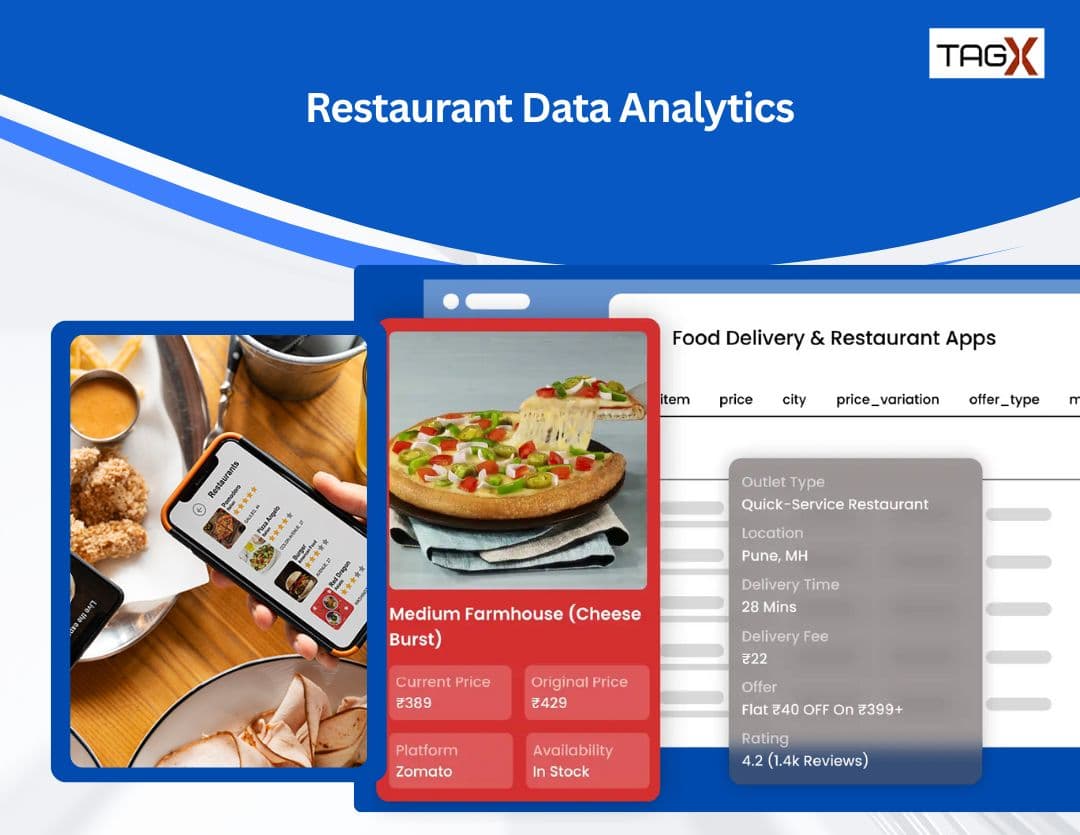
Restaurants and food businesses need accurate information to make smart decisions and stay ahead. Collecting data from menus, customer reviews, pricing, and locations helps companies understand trends and customer preferences.
Having structured restaurant information makes it easy to compare offerings, track competitors, and spot new opportunities. Without organized data, businesses risk making decisions based on incomplete or outdated information.
This is where Food Scraping comes in. Food Scraping allows restaurants and food businesses to gather accurate information from multiple online sources quickly. By turning scattered data into a clear, organized format, businesses can improve menus, pricing strategies, and overall customer experience.
With Food Scraping, companies get the insights they need to make better decisions and grow in a competitive market.
What Food Scraping Means for the Food and Restaurant Industry
Food Scraping is the process of collecting information about restaurants and food offerings from online sources. This can include menus, prices, customer reviews, locations, and operational details. Businesses use this information to understand the market, track competitors, and identify trends. By organizing scattered data into a structured format, Food Scraping helps companies make sense of large volumes of information quickly and efficiently.
Access to structured online data allows restaurants and food businesses to make informed choices. They can adjust pricing, refine menus, and plan promotions based on real customer preferences. Food Scraping also helps identify which dishes are popular and where market gaps exist. With these insights, companies can make strategic decisions that improve customer satisfaction and business growth.
Read more: Scrape Yelp Reviews: A Complete Guide to Collecting Restaurant Review Data
Types of Data Collected Through Food Data Scraping
Collecting restaurant information is more than just looking at menus online. With food data scraping, businesses can gather a wide range of data that helps them understand the market and make informed decisions. This data gives insights into what customers want, how restaurants operate, and where opportunities exist.
Menus, pricing, and dietary attributes
Through food data scraping, businesses can collect detailed menu information from restaurants. This includes pricing, portion sizes, and special dietary options such as vegetarian, vegan, or gluten-free dishes. Having this data helps restaurants understand trends in offerings and compare pricing strategies across competitors.
Restaurant locations, cuisines, and operating hours
Food data scraping also gathers information about restaurant locations, types of cuisine, and opening hours. This allows businesses to analyze geographic trends, identify areas with high demand, and plan expansions or marketing campaigns.
By organizing this data, companies can make smarter decisions about menu planning, pricing, and operations. Food data scraping turns scattered online information into clear, actionable insights that support business growth.
Key Sources Involved in Restaurant Data Scraping
To gather accurate and actionable data, businesses rely on multiple sources through restaurant data scraping. Using the right sources ensures that the information collected is reliable, comprehensive, and useful for making strategic decisions.
- Official restaurant websites provide essential information such as menus, pricing, opening hours, and special promotions. Since this information comes directly from the restaurant, it is typically accurate and updated regularly. Restaurants often include details about seasonal offerings, new menu items, or limited-time discounts, which helps businesses track changes and plan competitive strategies.
- Food listing platforms and directories offer additional insights that may not appear on restaurant websites. These include customer reviews, ratings, locations, contact information, and cuisine types. Platforms like Yelp, Zomato, or TripAdvisor allow businesses to cross-check data and identify trends in customer satisfaction and popular menu items.
- Aggregated review sites and online maps provide location-based insights. These sources help businesses understand regional demand, track competitor presence in specific areas, and identify market gaps.
By combining data from multiple sources, restaurant data scraping creates a complete, structured view of the market. Businesses can use this data to refine menus, adjust pricing, improve customer service, and make data-driven marketing decisions. Access to a variety of sources ensures accuracy and gives companies the confidence to make informed operational and strategic choices.
How to Scrape Restaurant Data in a Structured Way
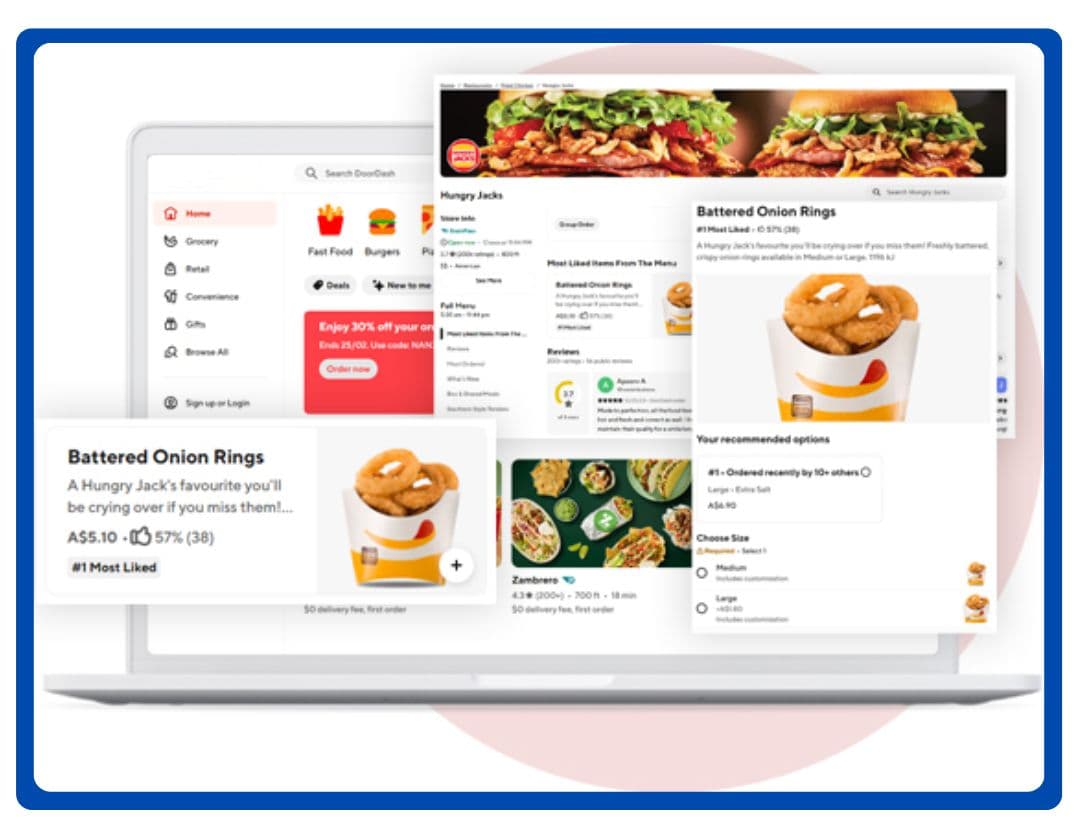
Collecting restaurant data effectively requires more than just copying information from websites. Businesses need a structured approach to gather accurate, organized, and actionable insights. Understanding how to scrape restaurant data properly ensures that the collected information is reliable, easy to analyze, and useful for decision-making.
Selecting Reliable Data Sources
The first step is choosing trustworthy sources. Start with official restaurant websites, which provide menus, pricing, hours, and special promotions. Verified review platforms and directories also offer valuable insights such as ratings, customer feedback, and location details. Relying on accurate sources prevents errors and ensures businesses have a clear picture of the market.
Extracting Restaurant Information
Once sources are chosen, the next step is data extraction. This includes collecting menus, dish descriptions, pricing, dietary options, operating hours, locations, and customer reviews. Organizing data consistently across all restaurants allows for easier comparison, trend spotting, and competitive analysis.
Cleaning and Standardizing Data
Raw data often comes in different formats and may include duplicates or errors. Cleaning and standardizing the data ensures consistency, making it easier to analyze. For example, converting all prices to the same currency or standardizing restaurant names allows for accurate comparisons.
Storing Data Securely
Collected data should be stored in a secure, organized system. Using spreadsheets, databases, or cloud storage ensures that data is accessible and safe from loss. Proper storage also allows teams to easily update and maintain data over time.
Organizing and Verifying Data
Structured data is most valuable when it is accurate and up to date. Regularly checking for menu updates, price changes, and new promotions ensures the information remains reliable. Verified data allows businesses to make smarter decisions regarding menu planning, pricing strategies, marketing campaigns, and overall operations.
Analyzing and Using Insights
The final step is turning structured data into actionable insights. Businesses can use this information to identify popular dishes, monitor competitors, optimize pricing, plan promotions, and improve customer experience. This step completes the data cycle, ensuring that how to scrape restaurant data translates into measurable business benefits.
By following these steps, companies can efficiently understand how to scrape restaurant data and transform scattered online information into clear, structured insights that drive business growth.
Compliance and Ethical Considerations in Restaurant Data Collection
Collecting restaurant data can provide valuable insights, but it must be done responsibly. Following compliance and ethical guidelines ensures that businesses avoid legal issues, protect customer privacy, and maintain trust.
- Review the website's terms of service before collecting data to ensure compliance. This helps maintain ethical restaurant data scraping practices.
- Focus on publicly available information such as menus, locations, and reviews. Avoid misusing or selling private customer information.
- Use the collected data to improve operations, marketing, and decision-making responsibly.
- Continuously monitor sources for changes in terms or data availability to stay compliant.
- Update scraping practices as needed to maintain ethical standards in restaurant data scraping.
By following these points, businesses can collect structured restaurant data efficiently while staying ethical, compliant, and professional.
Contact TagX today to access accurate restaurant and food data for smarter business decisions
Using Review Data to Identify Trends and Sentiment
Analyzing customer reviews provides valuable insights into restaurant performance, menu popularity, and service quality. By studying and reviewing data systematically, businesses can make smarter decisions and improve operations.
Tracking review patterns over time helps identify trends in customer satisfaction, recurring issues, or seasonal preferences. Highlighting popular menu items based on feedback reveals which dishes drive positive reviews and informs menu optimization and pricing strategies.
Review analysis also allows businesses to identify strengths in service and operations, helping replicate successes across locations or marketing campaigns. Regularly monitoring and interpreting this information ensures that companies stay aligned with changing customer preferences while ethically scraping restaurant reviews.
By using structured review data effectively, businesses can make informed decisions, improve customer experience, and gain competitive advantages through scrape restaurant reviews.
Scrape Food Delivery App Data for Business Insights
Food delivery apps have become a key source of information for restaurants. Collecting and analyzing data from these platforms allows businesses to understand customer preferences, track competitors, and make data-driven decisions. By using structured approaches, restaurants can gain insights that improve both their menu and service.
Collecting Menu Pricing, Availability, and Delivery Coverage
Data from food delivery apps provides restaurants with detailed insights into menu pricing, item availability, and delivery coverage. This information helps businesses understand how their offerings compare across platforms and identify areas for improvement.
Comparing Multiple Platforms for Competitive Analysis
By analyzing multiple delivery platforms, companies can track competitor pricing, spot popular items, and evaluate service trends in different regions. Structured insights from these platforms allow restaurants to make informed decisions about menu adjustments, promotions, and delivery strategies.
Turning Data into Actionable Insights
Understanding how to scrape food delivery app data enables businesses to transform scattered platform information into structured, actionable insights. This helps optimize offerings, improve customer satisfaction, and maintain a competitive edge in the growing food delivery market.
Using Food Delivery Data to Track Market Demand
Food delivery data provides valuable insights into customer behavior and market trends. By collecting and analyzing this data, restaurants can understand what customers want, identify popular delivery areas, and make informed strategic decisions for growth. Using structured methods ensures the information is accurate and actionable.
Evaluating Delivery Trends and Customer Preferences
By analyzing data from multiple food delivery platforms, restaurants can track which menu items are most popular, peak ordering times, and regional preferences. This helps identify changing customer behaviors and emerging trends. Collecting this information responsibly through scrape food delivery app data allows businesses to gain a clear understanding of market demand.
Informing Strategic Decisions for Restaurant Growth
Insights from delivery data help restaurants make smarter decisions about menu planning, promotions, and resource allocation. Restaurants can expand delivery coverage, adjust offerings, and optimize pricing based on real-time trends. Structured analysis of delivery platforms ensures that scrape food delivery app data leads to actionable strategies that support growth and improve customer satisfaction.
Food Scraping Use Cases Across Market Research and Analytics
Restaurants and food businesses can gain a competitive edge by leveraging data collected through Food Scraping. Structured insights allow companies to understand customer preferences, spot trends, and make smarter business decisions. Using food data scraping effectively ensures that data is accurate, organized, and actionable.
Consumer Behavior Analysis
By analyzing data from menus, reviews, and pricing, businesses can identify what customers like, how often they order, and what influences their choices. This type of analysis helps restaurants optimize offerings, plan promotions, and enhance the overall dining experience. With food data scraping, companies can collect these insights at scale and turn them into actionable strategies.
Location-Based Trend Identification
Food Scraping allows businesses to track regional preferences and emerging trends. Restaurants can discover which cuisines, dishes, or services are popular in specific areas and adjust their operations accordingly. Understanding these location-based trends helps with expansion, marketing campaigns, and menu adjustments.
By using Food Scraping across market research and analytics, businesses can make data-driven decisions that improve customer satisfaction and boost growth.
Read also: How to Collect Liquor Market Data for Competitive Analysis?
Best Companies to Scrape Food Data
Collecting structured restaurant and food data efficiently requires partnering with trusted data providers. These companies deliver comprehensive datasets, analytics, and insights into menus, pricing, customer behavior, and market trends that businesses can use to make smarter decisions.
| Company | Key Services | Special Features |
|---|---|---|
| TagX | Structured restaurant menus, pricing, locations, reviews, and delivery insights | Competitive analysis, market intelligence, and structured datasets tailored to business needs |
| DoubleData | Curated food delivery datasets across platforms | Unified view of delivery data, quality checks, and deep granular insights |
| Sirved | Restaurant menu collection and indexing | Large menu database covering 400,000+ restaurants in North America |
| DataZn Food Service Database | Extensive food service data, including restaurant profiles, trends, and operational metrics | Broad database with industry profiles and food service insights |
| ArcTechnolabs | Restaurant datasets with customer reviews and ratings | Pre‑compiled restaurant review and market datasets for research |
These providers help businesses access high‑quality, structured food and restaurant data without building extensive data collection systems internally. They support market research, competitive benchmarking, trend analysis, and go‑to‑market planning with reliable data sources.
Conclusion
Food Scraping has become an essential practice for businesses in the food and restaurant industry. By collecting structured menus, pricing, locations, reviews, and delivery data, companies can make informed decisions that improve operations, optimize marketing strategies, and enhance customer experiences. Access to accurate and organized data allows restaurants and food businesses to understand market trends, monitor competitors, and respond quickly to changing customer preferences.
The long-term value of structured food and restaurant data cannot be overstated. Businesses that consistently leverage Food Scraping gain a competitive advantage, uncover growth opportunities, and build strategies based on reliable insights rather than assumptions. Whether it’s menu optimization, delivery planning, or trend forecasting, structured data serves as a foundation for smarter, data-driven decisions that support sustainable business growth.
For businesses looking to get started or enhance their data collection, contact TagX to explore how their services can help you gather and analyze restaurant and food data efficiently.