


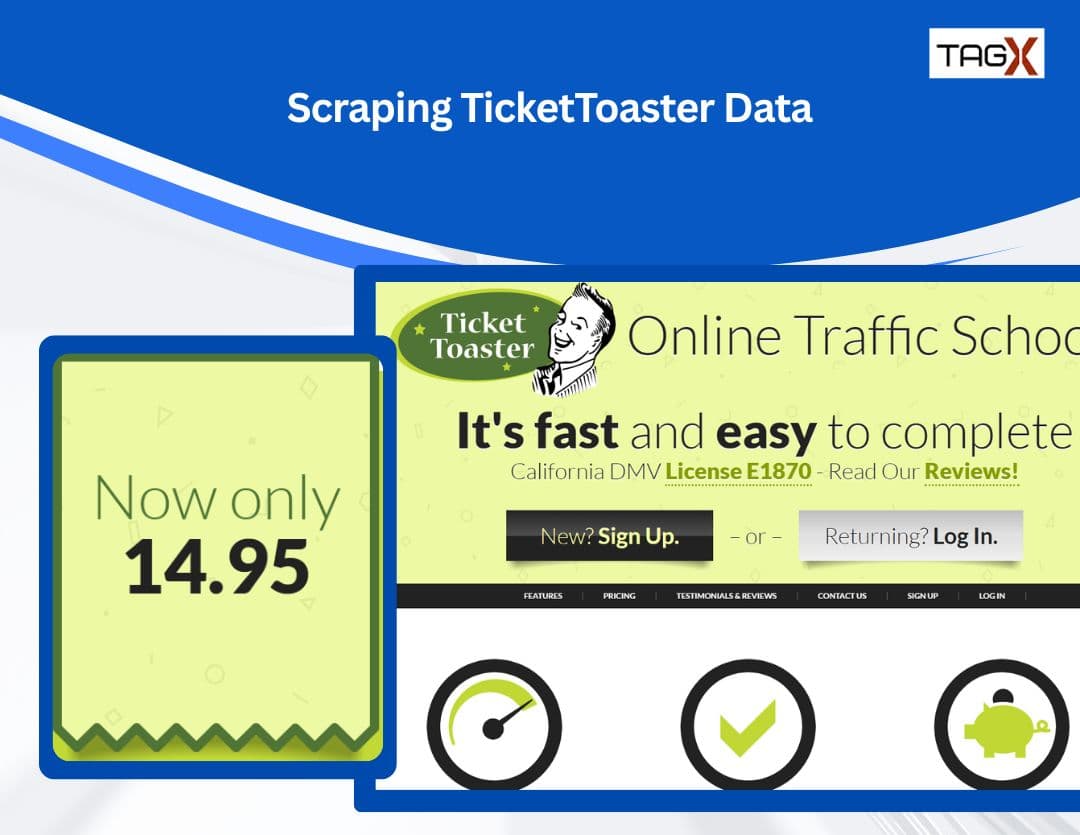
Understanding ticket prices is a key part of planning successful events. Prices often change based on demand, timing, and location. When businesses can clearly see these changes, they are better prepared to make smart decisions. This is why many teams choose to scrape TicketToaster data to review event listings and pricing details in one place instead of checking events one by one.
Having clear pricing information helps planners understand what works and what does not. It allows them to compare events, spot patterns, and avoid guesswork. When pricing trends are easy to follow, businesses can plan promotions, budgets, and schedules with more confidence. Access to structured event information makes it easier to stay competitive and meet audience expectations in a fast-moving events market.
Understanding TicketToaster and Its Event Data
TicketToaster is an online marketplace where people can browse events and buy tickets across different cities and categories. It brings together concerts, sports events, live shows, and local experiences in one place. Because events are listed with clear details like dates, venues, and prices, the platform becomes a useful source of information for anyone studying the events market. Businesses often turn to TicketToaster data scraping to collect this public information in a structured way that is easier to review and analyze.
Structured event and pricing data hold real value for market research. When event details are organized, teams can compare similar events, track pricing changes, and understand demand patterns without confusion. Clean data also makes it easier to spot trends, such as which locations host more popular events or which price ranges attract more buyers. This clarity helps businesses plan better, reduce risk, and make decisions based on facts instead of assumptions. By working with well-structured event data, teams gain a clearer view of the market and can respond faster to changes in audience behavior.
Read more: How to Scrape mytickets.de for Event & Ticket Data: A Complete Guide
Key Benefits of TicketToaster Data for Price Analysis
Reviewing TicketToaster ticket prices data helps businesses understand how pricing behaves across different events. When prices are reviewed in an organized way, clear patterns start to appear. This makes pricing decisions more accurate and easier to manage.
Key benefits include:
- Tracking how ticket prices change before and after events are announced
- Comparing prices across similar events in different cities
- Understanding which price ranges attract more buyers
- Spotting trends in seasonal or weekend event pricing
Pricing data also helps identify high-demand venues and dates. When certain locations or time periods perform better, businesses can plan with more confidence.
Additional insights include:
- Finding venues that consistently draw strong interest
- Identifying dates that sell tickets faster
- Planning events around peak demand periods
- Avoiding pricing decisions based on guesswork
By using structured pricing information, teams can plan smarter and respond quickly to market demand.
Common Use Cases for Event and Ticket Data
Event and ticket data play an important role in planning and analysis. When businesses scrape TicketToaster tickets, they can review event details across locations and dates in a structured way. This helps teams understand the market and make informed decisions.
Event Pricing Comparison
Comparing ticket prices across similar events helps businesses understand how pricing varies by city, venue, or event type. This comparison makes it easier to identify pricing gaps and adjust strategies based on market behavior rather than assumptions.
Competitive Event Monitoring
Event data allows teams to keep an eye on competing events in the same category or location. By tracking new listings and pricing changes, businesses can stay aware of market activity and respond quickly when conditions change.
Demand Forecasting
Studying past and current event data helps businesses predict future demand. When teams understand which events gain attention early and which dates perform better, they can plan schedules and pricing with greater confidence.
Types of Data You Can Extract from TicketToaster
When businesses scrape TicketToaster data, they can collect a wide range of event details that support pricing analysis and market research. This information is usually presented in a clear and organized format, which makes it useful for further review.
Event Names and Categories
Event names and categories help identify the type of experience being offered. This data allows businesses to group similar events, compare performance across categories, and understand which event types attract more interest.
Dates, Venues, and Locations
Dates and venue details provide insight into when and where events take place. Location data helps teams study regional demand, identify popular venues, and see how timing affects ticket interest.
Ticket Prices and Availability
Ticket prices and availability show how demand changes over time. By reviewing this data, businesses can understand price ranges, spot sell-out trends, and evaluate how availability impacts pricing decisions.
Contact TagX today to access structured TicketToaster data for smarter event planning.
How to Scrape TicketToaster Data Step by Step
Understanding how to scrape TicketToaster data starts with a clear plan. A structured approach helps reduce errors and ensures the collected information is useful for analysis. Below is a simple breakdown of the main steps involved in TicketToaster web scraping.
Identifying Relevant Event Pages
The first step is selecting the right event and ticket listing pages. These pages usually contain key details such as event names, dates, venues, and prices. Focusing only on relevant pages helps avoid unnecessary data and keeps the process efficient.
Choosing a Data Collection Approach
There are different ways to collect event data depending on scale and needs. Some teams use manual scripts to gather small sets of information. Others rely on automated data extraction services when they need larger volumes of structured data over time.
Managing Pagination and Dynamic Content
Many event listings are spread across multiple pages or use filters. Handling pagination and dynamic content ensures that no listings are missed and that the data remains complete and consistent.
Structuring and Storing Extracted Data
Once data is collected, it should be formatted for easy use. Organizing information into clean files or databases makes analysis, reporting, and future updates much easier to manage.
Challenges in TicketToaster Web Scraping
While TicketToaster web scraping provides valuable event and ticket information, it comes with a few challenges that businesses need to consider. Understanding these issues helps teams plan better and avoid common pitfalls.
Dynamic Website Changes
Websites often update their layouts, structure, or coding. These changes can break existing scraping methods and require adjustments to ensure the data is still collected accurately.
Data Consistency Issues
Event listings may not always follow the same format. Differences in how dates, venues, or ticket prices are displayed can lead to inconsistencies in the collected data. Maintaining clean and reliable data requires careful monitoring and correction.
Scalability Considerations
As the number of events or pages grows, scraping can become more complex. Handling larger volumes of data efficiently requires planning to ensure speed and accuracy are not compromised. Planning for scalability helps businesses continue collecting useful data without interruptions.
Legal and Ethical Considerations When Scraping TicketToaster
Collecting event and ticket information from TicketToaster can provide valuable insights, but it’s important to follow legal and ethical practices. Only gather data that is publicly accessible on the website and avoid trying to access restricted areas or private accounts. Following TicketToaster’s policies ensures that data collection stays within legal boundaries and reduces the risk of potential issues.
Once the data is collected, it should be handled responsibly. This includes storing it securely, using it only for legitimate business purposes, and avoiding any misuse. By respecting the website and managing data carefully, businesses can gain useful insights while maintaining trust and staying compliant with legal and ethical standards.
Read also: Wildberries Scraper Guide: Collecting Product Prices, Reviews, and Listings
How TagX Supports TicketToaster Data Scraping Services
TagX provides professional TicketToaster data scraping services designed to help businesses access accurate and actionable event and ticket information. By focusing on relevant data and delivering it in a structured format, TagX makes it easier for teams to analyze trends, track pricing, and plan events effectively.
Custom Data Collection Based on Business Needs
TagX focuses on gathering data that aligns with each business’s specific goals. By targeting relevant events and ticket listings, the collected information is both accurate and actionable. This ensures businesses only get the insights they need for smarter decision-making.
Clean and Structured Datasets for Analysis
The data provided by TagX is organized and structured for easy use. Clean datasets allow teams to compare events, monitor pricing trends, and plan effectively without spending extra time on data cleaning or formatting.
Scalable Scraping Services for Long-Term Use
TagX offers scalable scraping services, making it easy to expand data collection as business needs grow. This ensures consistent accuracy and reliability, even when dealing with larger volumes of events and tickets over time.
By using TagX’s services, businesses can access reliable TicketToaster insights efficiently, saving time and supporting smarter event planning and strategy.
Conclusion
Businesses scrape TicketToaster data to gain a clear view of event listings, ticket prices, and market trends. Access to this information helps teams understand pricing patterns, identify high-demand events, and make informed decisions for planning and promotions. Analyzing event and ticket data allows businesses to respond to audience demand, set competitive prices, and improve overall event performance.
Using professional data scraping services ensures the information is accurate, organized, and ready for analysis. By leveraging expert services, businesses can save time, reduce errors, and focus on making smarter, data-driven decisions for their events. Accessing structured TicketToaster data through professional services provides a reliable foundation for better planning, strategy, and growth in the competitive events market.
For reliable and structured TicketToaster data collection, contact TagX today to learn how our services can support your event and pricing analysis needs.
