


A competitor drops their price on a bestseller at 6 AM. By noon, they've sold through half their stock and you haven't even noticed the shift. This isn't a hypothetical — it's happening across every competitive retail category, multiple times a day, on products you're tracking manually or not tracking at all.
This is where Web Scraping has become a powerful business advantage.
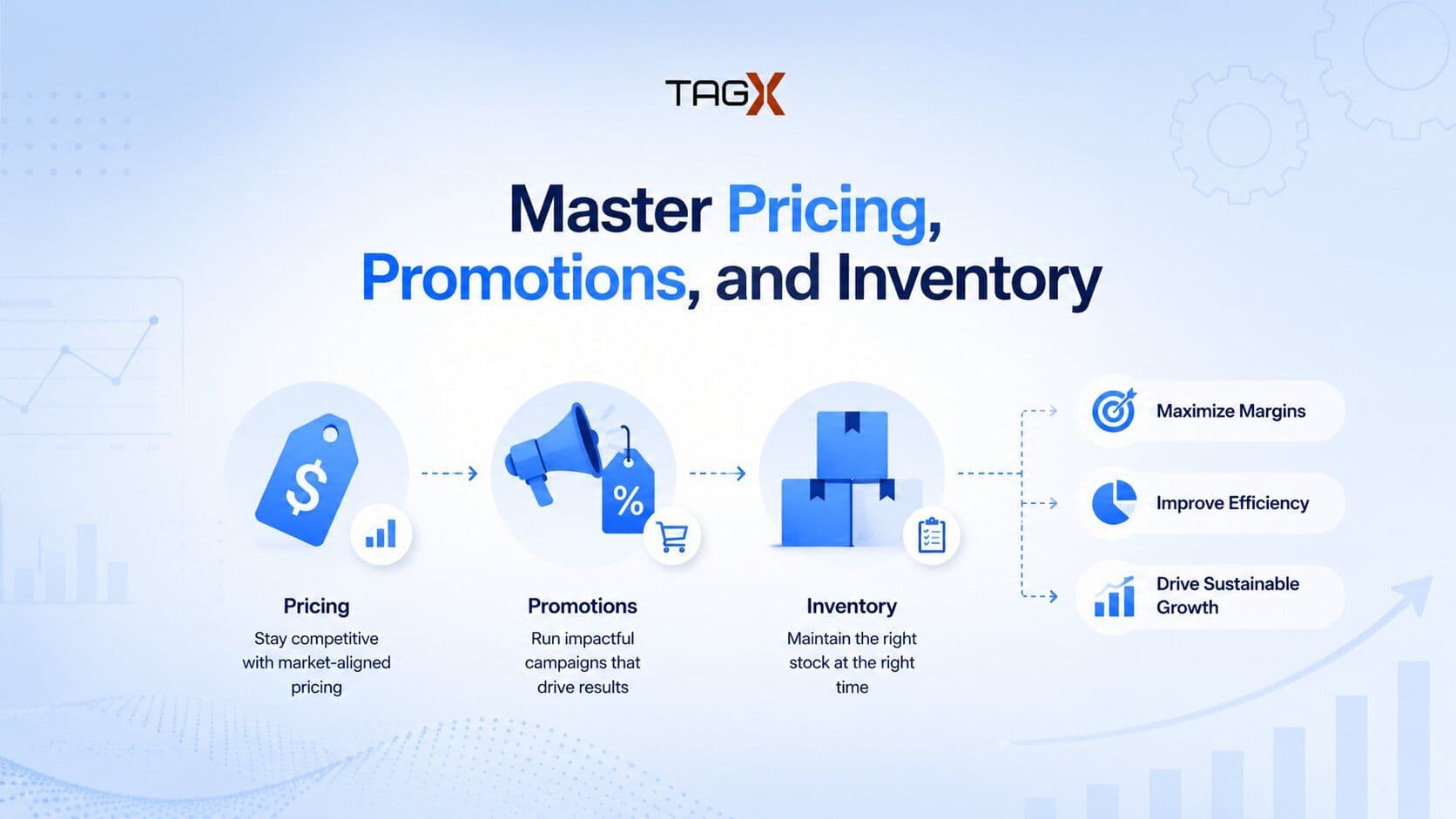
Instead of manually tracking hundreds of product pages, retailers can use structured ecommerce web data to monitor competitor pricing, promotions, and inventory in real time. These insights help businesses respond faster to market changes and make smarter, data-driven decisions.
The Real Cost of Flying Blind on Market Data
Shoppers today open three tabs before they buy one thing. They're comparing your price against two competitors in real time, and if you're even a little off, they're gone in one click — no loyalty tax, no benefit of the doubt.
Retailers still relying on periodic manual checks tend to feel this in predictable ways:
- Losing sales to competitors who quietly undercut you.
- Missing flash sales because the data came in too late.
- Running out of high-demand SKUs while competitors soak up the demand.
- Sitting on overstock for products the market has already moved past.
- Reacting to competitor moves days after they've already won the window.
Web scraping turns that gap from "we'll find out eventually" into "we knew this morning”.
Monitoring Competitor Prices in Real Time
Pricing is one of the most important factors influencing online buying decisions. Even a small price difference can affect visibility, conversions, and sales.
With automated web data collection, retailers can track competitor prices across websites and marketplaces. This allows pricing teams to:
- Spot price increases and decreases immediately
- Adjust pricing strategies based on market trends
- Protect margins while staying competitive
- Detect aggressive discounting by competitors
Instead of reacting days later, retailers can make timely pricing decisions backed by current market data.
Reading Promotions Like a Pattern, Not a Surprise
Every discount, bundle, and flash sale is a data point about how a competitor is trying to move demand. Tracked over time, these stop looking random and start looking like a playbook.
Ongoing promotional monitoring surfaces:
- Which products get discounted repeatedly, and how deep
- How long a typical promotional window actually runs
- Seasonal timing patterns worth planning around
- Which promo formats — bundles, coupons, flash windows — are getting reused because they work
Once you can see the pattern, you can plan your own calendar around it instead of just responding to theirs.
Inventory Visibility: Knowing When a Competitor Runs Dry
Inventory changes can reshape customer demand overnight. When a competitor runs out of a popular product, shoppers don't stop searching—they look for the next retailer that has it in stock. Retailers with real-time inventory visibility can identify these opportunities early and respond before the competition recovers.
By continuously monitoring stock availability, retailers can:
- Detect out-of-stock and low-stock products before they impact the market.
- Track product restocks to know when competitors are back in the game.
- Identify regional inventory gaps where customer demand remains unmet.
- Adjust pricing strategies to capitalize on competitor stock shortages.
- Launch timely promotions to attract customers searching for available alternatives.
By acting on these insights early, retailers can capture more sales and stay one step ahead of the competition.
Demand Signals Hiding in Plain Sight
Pricing and stock data tell you what's happening. Catalog and listing data tell you what's coming.
Structured web data can surface:
- New product launches before they hit your radar through other channels
- Categories quietly gaining traction across multiple sellers
- Listings being updated or expanded — usually a sign something's selling
- Longer-term shifts in assortment and availability
These insights help merchandising teams identify growing categories and uncover new opportunities.Rather than relying only on historical sales data, businesses can make decisions using live market intelligence.
Optimize Product Assortment with Market Insights
A well-planned product assortment helps retailers meet customer expectations while staying competitive. Instead of relying solely on historical sales data, retailers can use web data to understand what the market is demanding in real time.
With continuous product monitoring, retailers can:
- Identify gaps in their existing product catalog.
- Discover emerging product trends before they become mainstream.
- Understand which products competitors consistently keep in stock.
- Recognize the product variations and options customers actively look for.
These insights help retailers build a more relevant product assortment, reduce slow-moving inventory, and make merchandising decisions based on current market demand rather than guesswork.
Making Smarter Inventory Decisions
Inventory management becomes much more effective when combined with external market data.
For example, if competitor products begin selling out across multiple websites while customer interest continues to rise, retailers can increase inventory before demand peaks.
Likewise, if pricing trends suggest weakening demand, purchasing teams can avoid unnecessary overstocking.
This proactive approach helps reduce inventory costs while improving product availability.
Getting Web Data Right
Not all data collection is equal. To actually be useful, it needs to be:
- Refreshed on a schedule that matches how fast your category moves
- Clean and structured, not raw HTML someone has to untangle
- Scoped to the categories and competitors that actually matter to you
- Built to plug into the systems your teams already use
- Able to scale as your tracking needs grow
Paired with the right analytics layer, this is what turns web data from a one-off report into a standing competitive advantage.
Conclusion
In a fast-moving retail market, timely and accurate web data is key to staying competitive. Web scraping helps retailers monitor prices, promotions, inventory, and market trends to make smarter, faster decisions.
TagX provides reliable web scraping services that deliver structured retail data for pricing intelligence, promotion tracking, inventory monitoring, and market analysis.
Ready to make smarter retail decisions with web data? Contact TagX today to discover how our web scraping solutions can help you gain a competitive edge and drive sustainable business growth.