

Pricing has never been a set-it-and-forget-it strategy. Today's retail market moves quickly, with competitors adjusting prices, launching promotions, and responding to demand in real time.
For retailers, relying on intuition or occasional market checks is no longer enough.
This is where Retail data analytics becomes essential.
By analysing competitor price analysis data alongside market trends, businesses can make informed pricing decisions that improve profitability, strengthen their market position, and meet customer expectations.
In this blog, we'll explore how retailers can turn competitor pricing data into actionable insights and smarter business decisions.
Why Competitor Pricing Matters More Than Ever
Consumers have more choices than ever before. A few clicks are often enough to compare prices across multiple retailers before making a purchase.
Without visibility into competitor pricing, businesses risk:
- Pricing products too high and losing customers.
- Pricing too low, reducing profit margins.
- Missing promotional opportunities.
- Reacting too slowly to market changes.
Regular competitor price analysis helps businesses understand where they stand in the market instead of making pricing decisions based on assumptions.
What Is Retail Data Analytics?
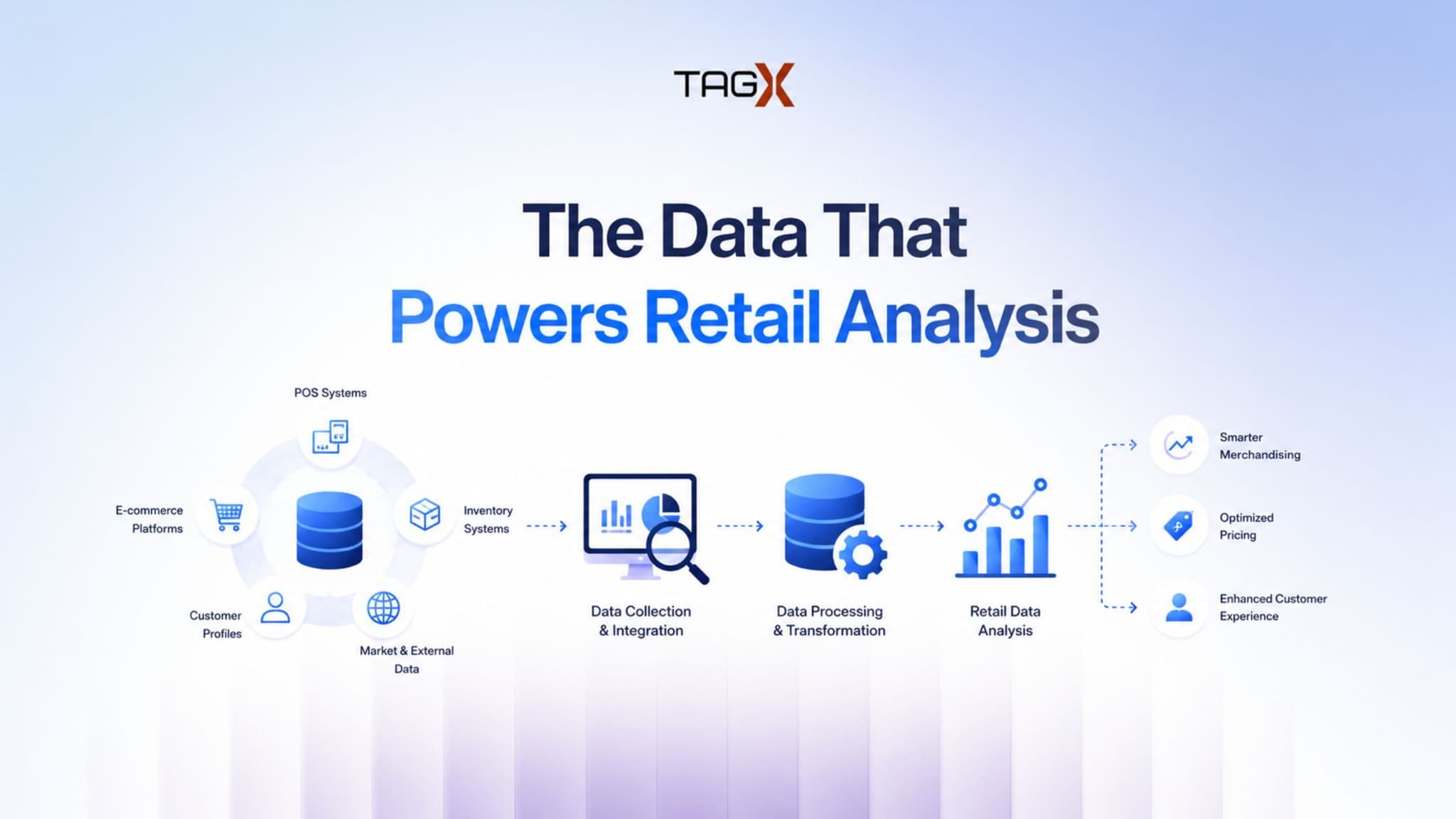
Retail data analytics is the process of collecting, organising, and analysing retail-related data to improve business performance. This data can include product pricing, inventory levels, customer behavior, market trends, and competitor information.
When competitor pricing data becomes part of the analytics process, retailers gain a clearer picture of market dynamics and can make pricing decisions based on real evidence rather than guesswork.
Instead of asking "What price should we charge?", businesses begin asking:
- How are competitors pricing similar products?
- Are pricing trends changing across the market?
- Which products are most price-sensitive?
- When should pricing be adjusted?
These insights lead to more confident and strategic decisions.
Smarter Pricing Decisions Start with Better Data
Successful pricing isn't about offering the lowest price. It's about making informed decisions supported by reliable data.
Retailers often use competitor pricing insights to:
- Optimize product pricing while protecting margins.
- Monitor promotional effectiveness.
- Identify pricing gaps in the market.
- Improve category-level pricing strategies.
- Support long-term pricing optimization.
Common Challenges in Competitor Price Analysis
While competitor pricing offers valuable insights, gathering accurate data isn't always straightforward.
Many retailers face challenges such as:
Inconsistent Data Sources
Competitor information often comes from multiple websites, marketplaces, or online stores. Differences in product naming, categories, and formatting can make comparisons difficult.
Frequent Price Changes
Prices can change several times a day, especially during promotions or high-demand periods. Outdated information may lead to incorrect pricing decisions.
Large Volumes of Data
Tracking thousands of products manually is time-consuming and increases the risk of missing important market changes.
Turning Data into Insights
Having access to pricing information is only part of the process. Businesses also need structured, analysis-ready data that can support meaningful decision-making.
Best Practices for Retail Pricing Analytics
To maximize the value of competitor pricing data, retailers should follow a structured approach:
Monitor pricing consistently. Regular tracking provides a more accurate view of market movements than occasional checks.
Focus on relevant competitors. Comparing against businesses targeting the same customers produces more meaningful insights.
Analyze historical trends. Looking beyond today's prices helps identify recurring pricing patterns.
Combine pricing with broader market intelligence. Pricing decisions become stronger when supported by inventory, product availability, and market trends.
Review pricing strategies regularly. Continuous analysis allows businesses to adapt as customer behavior and competitive conditions evolve.
Conclusion
In a competitive retail market, smarter pricing starts with smarter data. By leveraging retail data analytics and competitor price analysis, businesses can identify pricing opportunities, respond to market changes faster, and make more confident, data-driven decisions.
For businesses looking to simplify competitor price analysis, TagX provides structured, analysis-ready pricing and market data that transforms raw information into actionable insights.
Alongside retail data solutions, TagX offers Web Scraping, Data-as-a-Service (DaaS), Data for AI, and Custom Data APIs, helping businesses across industries access the high-quality data they need to drive smarter decisions.