


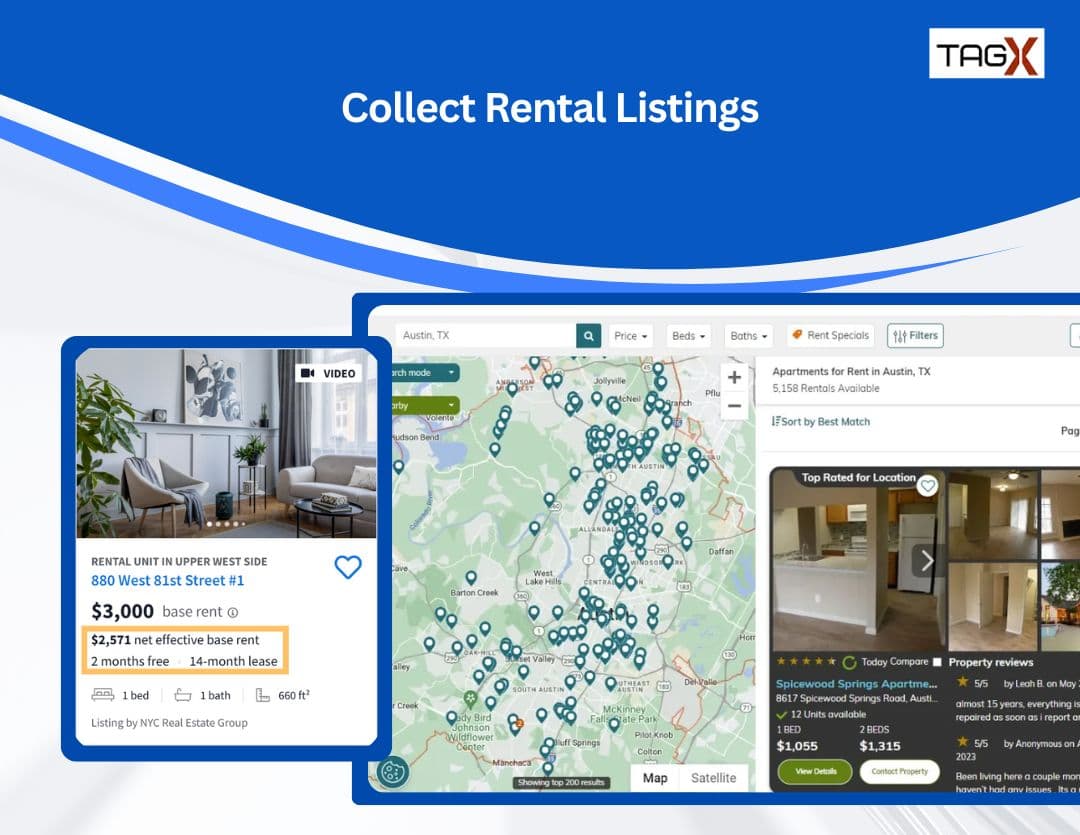
Rental activity in many cities continues to grow as more people search online for homes and apartments. This surge has made rental listings data more abundant and valuable than ever before. Investors, analysts, and businesses rely on this information to track market trends, compare neighborhoods, and make informed decisions about pricing and investment opportunities.
Collecting this data manually can be slow, frustrating, and prone to errors. Listings are updated frequently, prices fluctuate, and availability can change within hours, making it nearly impossible to maintain accurate datasets without automation.
This is where real estate scraping becomes essential. By automating the collection of rental listings data from multiple platforms, businesses can gather accurate, structured information quickly and efficiently. Real estate scraping allows you to turn vast amounts of online listings into actionable insights, saving time while improving the reliability of your data-driven decisions.
Understanding How Real Estate Platforms Structure Property Data
For effective real estate scraping, it’s important to understand how rental listings are organized on different platforms. Sites like Zillow, Realtor, and Apartments.com display key details such as rent price, location, amenities, and availability. Knowing where these data points are located ensures accurate extraction.
When performing web scraping of real estate data, pay attention to:
- Listing elements: Each property typically shows the rent, number of bedrooms, property type, and sometimes photos or floor plans. Identifying these elements is crucial for collecting complete rental datasets.
- Search filters and categories: Platforms allow filtering by city, neighborhood, property type, and price. Mapping these filters helps you gather targeted rental listings efficiently.
- Pagination and multiple pages: Most sites display listings across multiple pages. Understanding how listings are organized helps capture all available data without missing entries.
By understanding the layout and organization of rental listings, your real estate data scraping becomes more accurate and reliable. This ensures that the datasets you collect reflect the actual market and can be used for analysis, reporting, or investment insights.
Read more: 8 Reasons You Need Real Estate Data Scraping in 2026
What You Need Before Starting Rental Listings Data Scraping
Before you begin real estate scraping, it’s important to prepare properly to ensure accurate and compliant data collection. Understanding the requirements and tools needed will make rental listings data scraping more efficient and reliable.
1. Data Access and Compliance Considerations
Every real estate platform has its own terms of service regarding data collection. Always review these rules before scraping to avoid violations. Complying with platform policies and legal requirements ensures your real estate data scraping efforts are safe and sustainable.
2. HTML Inspection and Key Elements
Inspecting the webpage structure helps you identify where important rental details are located. Key elements include property cards, rent prices, addresses, and amenity sections. This step is critical for web scraping real estate data effectively and setting up your real estate scraping process efficiently.
3. Identifying Data Points
Determine the exact data points you want to extract. Common fields for rental listings include:
- Rent price
- Amenities (e.g., parking, pet policies, utilities)
- Location (address, neighborhood, city)
- Availability (move-in dates, lease terms)
Having a clear understanding of these points ensures your rental listings data scraping collects structured and useful datasets for analysis, investment decisions, or market insights.
Step-by-Step Guide to Real Estate Scraping Across Multiple Platforms
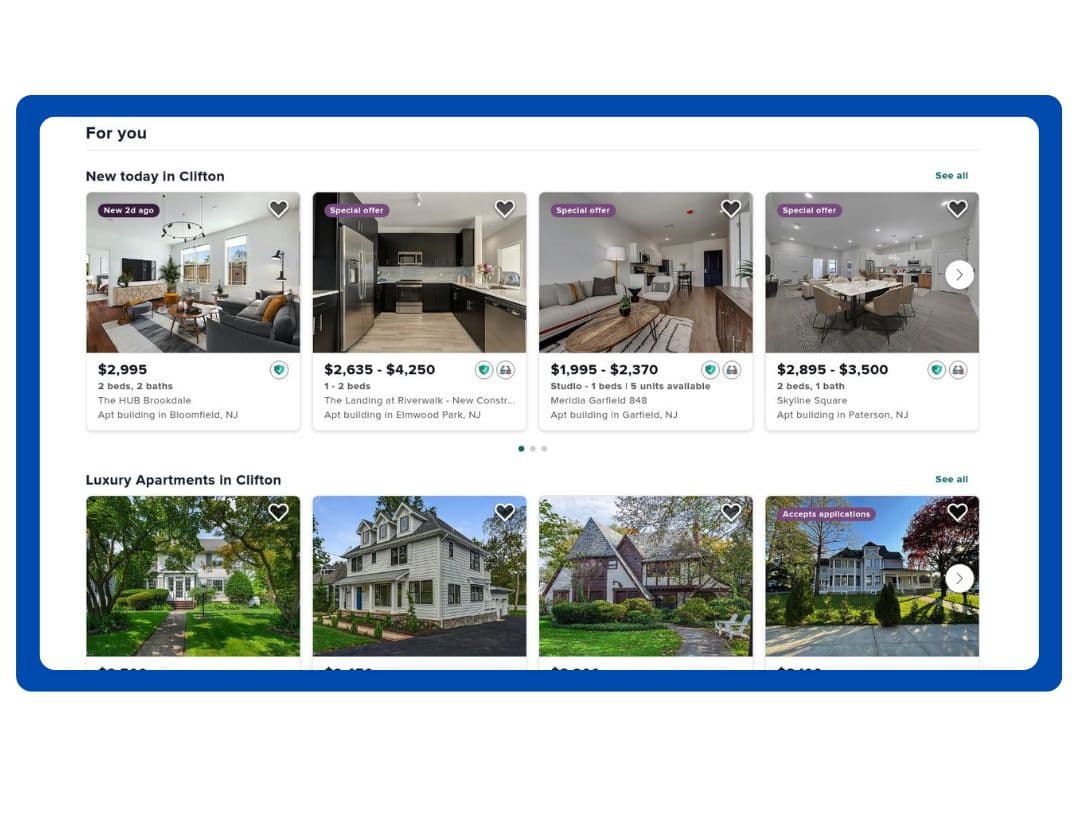
When performing real estate scraping, following a structured workflow helps you gather accurate, complete, and usable rental datasets. This step-by-step guide makes it easier to understand how to scrape real estate listings from multiple websites without missing key details.
Step 1: Identify the Right Platforms
Start by selecting reputable real estate websites that offer the most comprehensive rental listings. Popular choices include Zillow, Realtor, Redfin, Apartments.com, and local rental marketplaces. Using the right mix of platforms is essential for effective real estate web scraping, ensuring broader coverage and more diverse data points.
Step 2: Map URLs and Search Filters
Each platform organizes rental listings differently. Begin by identifying the URL patterns for specific cities, neighborhoods, or property types. Use built-in filters—such as price range, number of bedrooms, amenities, and property type—to narrow down your target dataset. Mapping these URLs helps streamline your real estate scraping workflow and ensures consistency across platforms.
Step 3: Collect Rental Details Responsibly
Once URLs and filters are set, extract the key rental details from listing pages. Common data fields include rent price, address, amenities, availability, property type, and photos. While scraping, always follow responsible practices by respecting platform rules and ensuring your technical setup avoids unnecessary server load.
Step 4: Validate and Organize Data
After extraction, validate your rental data to identify duplicates, missing fields, or formatting inconsistencies. Organize the cleaned data into structured formats such as CSV, JSON, or databases. This step ensures your multi-platform dataset is accurate, unified, and ready for analysis, pricing models, or market insights.
Get rental data from top real estate platforms. Contact TagX today for actionable insights.
Best Practices for Real Estate Scraping to Ensure Clean Rental Data
To get accurate and reliable rental datasets, it is important to follow the right techniques when performing real estate scraping. Clean data depends on stable extraction, smart request handling, and proper validation, especially when working across multiple platforms. These best practices help ensure your real estate web scraping and real estate data scraping efforts remain efficient and error-free.
Preventing Blocked Requests
Real estate platforms often monitor unusual traffic patterns, so preventing request blocks is essential. Use strategies like rotating user agents, keeping reasonable request intervals, and using proxy rotation when scraping at scale. This helps maintain smooth extraction while respecting platform limits.
Ensuring Consistent and Reliable Extraction
Clean rental datasets require consistency. Always target the correct HTML elements and regularly check for page structure changes that may affect your extraction logic. Keeping standardized data fields such as price, location, amenities, and availability across all platforms ensures comparable results and reduces post-processing time.
Error Handling for Large Datasets
High-volume real estate data scraping can lead to issues such as incomplete responses, timeouts, or layout changes. Implement retry logic, log failed requests, and validate each batch of extracted data. Handling errors early helps maintain accuracy and prevents gaps in the final dataset.
Why Businesses Choose Professional Services Over DIY Scraping
As rental markets grow more competitive, many companies rely on real estate scraping to access accurate and timely rental information. While DIY approaches can work for small projects, businesses quickly realize that professional services offer higher reliability, better accuracy, and long-term scalability. This becomes even more important when handling large-scale rental listings data scraping across multiple platforms.
Volume, Speed, and Scaling Considerations
Collecting rental data from several websites through real estate web scraping requires handling large volumes of listings and frequent updates. DIY scripts often struggle to keep up with changes in page structures, increasing data load, and the need for faster extraction. Professional services are built to manage these challenges efficiently, ensuring smooth scaling as your data needs grow.
Accuracy and Compliance Benefits
Accurate rental data is essential for pricing models, market analysis, and investment decisions. Professional teams follow strict validation processes to eliminate duplicates, fill missing fields, and maintain consistent formatting. They also help businesses follow platform terms and compliance requirements, reducing risks that often accompany unmanaged scraping attempts.
Challenges of DIY Scripts
DIY scraping may seem cost-effective, but it often leads to frequent script breakage, inconsistent data, and time-consuming troubleshooting. Websites update layouts, add dynamic elements, or introduce new restrictions that can disrupt extraction. Without dedicated expertise, maintaining these scripts becomes difficult and leads to unreliable datasets.
Read also: Comparison of Top real estate data scraping tools for property investors
How TagX Supports Real Estate Scraping for Rental Listings
TagX helps businesses simplify real estate scraping by providing reliable and structured rental data across multiple platforms. With a focus on accuracy and scalability, TagX delivers high-quality datasets that support better market insights and decision-making. Our expertise in web scraping real estate data ensures that you receive clean, organized information tailored to your goals.
Custom Data Collection for Business Objectives
Every business has unique data requirements. TagX offers customized data collection that aligns with your market, property type, and analytical needs. Whether you need insights on pricing trends, neighborhood comparison, or property availability, the data is collected to match your specific objectives.
Large-Scale Rental Datasets
TagX can gather rental information from several platforms at scale. This includes apartments, condos, houses, and niche property categories. Large datasets help businesses analyze markets more thoroughly and identify patterns that are not visible through manual research.
Consistent Delivery Formats
All collected data is delivered in structured formats such as CSV, JSON, Excel, or database-ready files. Consistent formatting allows for seamless integration with your existing analytics tools, dashboards, and reporting systems.
Conclusion
Real estate scraping creates a structured and reliable way to gather property data efficiently, consistently, and at scale. When businesses maintain ongoing data acquisition, they gain a continuous stream of insights that reflect real-time market shifts, pricing trends, demand fluctuations, and neighborhood-level dynamics. This enables teams to act faster, reduce guesswork, and make smarter, data-backed decisions across investment planning, market research, pricing strategy, and competitive analysis.
A streamlined scraping workflow also helps eliminate manual effort, reduces errors, and ensures that rental datasets remain clean, updated, and analysis-ready, for companies aiming to strengthen their data operations and unlock deeper visibility into rental markets, partnering with a trusted data provider becomes essential.
If you’re looking to optimize your real estate data pipeline, contact TagX to access high-quality, ready-to-use real estate datasets tailored to your business needs.