

I’ve been looking into how travel startups grow fast, and I know you might be running into the same problem. Getting users is one thing, but scaling in a crowded market is where it gets tough.
So here’s the real question.
How do some travel startups grow faster while others struggle to keep up?
Recent reports show that over 80 percent of travel companies now rely on travel data to make pricing and demand decisions. That clearly shows the importance of data in the travel industry. Today, most successful startups depend on travel data analytics and real-time insights. This is exactly how travel companies use data to improve decisions, understand users, and stay competitive.
Without data, scaling in travel today is mostly guesswork. And if you’re building something new, ignoring this shift can slow you down fast.
Why Travel Data Is the Backbone of Travel Startups
Starting a travel business today is not just about having a good idea. It is about making the right decisions at the right time. Many founders begin with instinct, but that only works in the early stage. As competition grows, guesswork starts to fail.
So what actually helps startups move faster and smarter?
The answer is simple. Travel data. It gives clear signals about pricing, demand, and customer behavior. Instead of assuming what users want, startups can see real patterns and act on them. This shift highlights the growing importance of data in the travel industry, where even small changes in pricing or timing can impact bookings.
For example, a startup can track fare changes, hotel prices, or seasonal demand. This helps them adjust strategies quickly. Without this level of insight, decisions become slow and risky.
In a fast-moving market, relying only on intuition is not enough. Data brings clarity, reduces uncertainty, and helps startups scale with confidence.
How Travel Data Analytics Drives Smarter Decisions
Collecting data is just the first step. What really matters is how startups use it to make better decisions.
With travel data analytics, startups can break down large amounts of data into simple insights. They look at pricing trends, customer behavior, and demand patterns to understand what is working and what is not.
For example, a startup can analyze how flight or hotel prices change over time. They can also track what users are searching for, when they book, and which destinations are trending.
- Analyze pricing trends across different locations
- Track customer search and booking behavior
- Identify high-demand routes and peak seasons
- Monitor changes in user preferences
This is exactly how travel companies use data to stay competitive. Instead of relying on assumptions, they use real insights to guide pricing, marketing, and growth strategies.
In a competitive market, making decisions based on data is not optional anymore. It is what helps startups move faster, reduce risk, and grow with confidence.
Key Travel Sectors That Depend on Data
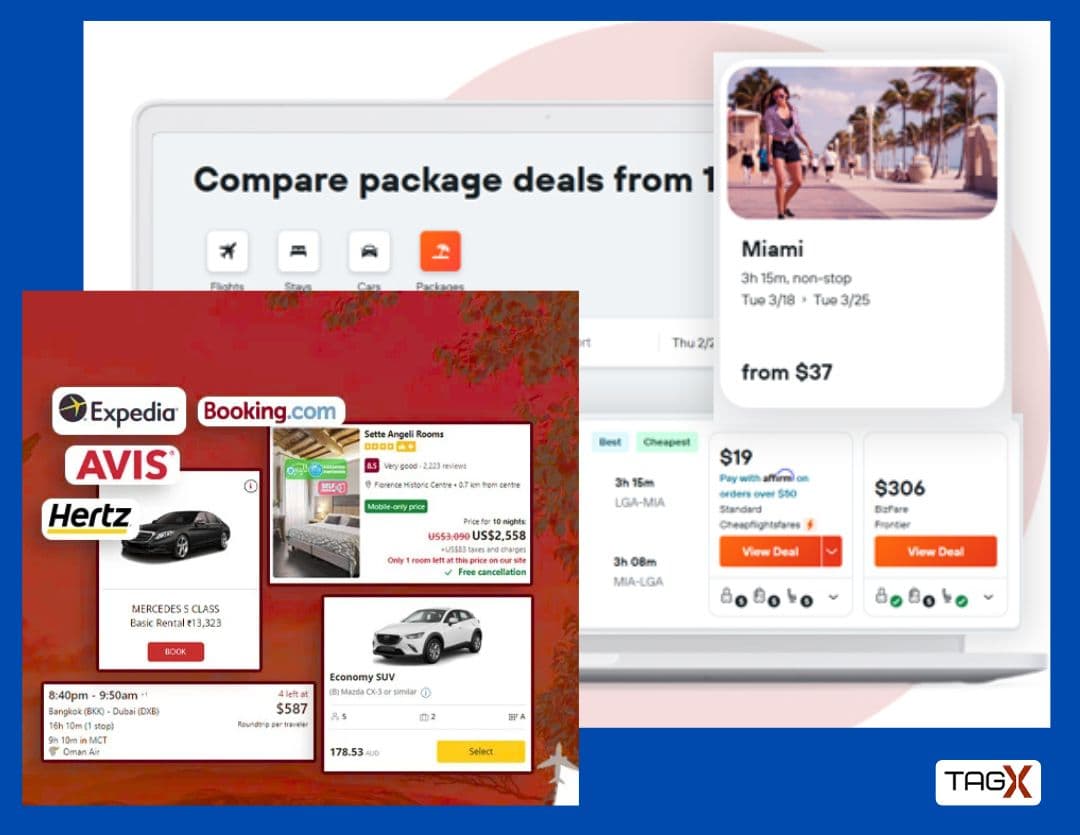
So, who needs travel data today?
The simple answer is everyone in the travel space. From small startups to large travel companies, data helps them stay competitive, adjust pricing, and understand what customers really want.
Hotels and Accommodation
Hotels depend on hotel pricing data and hotel market data to stay competitive in a crowded market.
- Track competitor room prices in real time
- Adjust rates based on demand and seasonality
- Identify high and low occupancy periods
Airlines and Flight Services
Airlines rely heavily on airline pricing data and use flight price scraping to stay ahead of competitors.
- Update ticket prices based on demand changes
- Monitor competitor fares across routes
- Improve route planning with demand insights
Car Rentals and Vacation Properties
Rental businesses use car rental data, vacation rental data, and Airbnb pricing data to optimize listings and pricing.
- Set dynamic pricing based on location and demand
- Track availability across different platforms
- Understand customer booking patterns
OTAs and Metasearch Platforms
These businesses depend on OTA competitor price tracking and OTA booking trends data to offer the best deals.
- Compare prices across multiple travel providers
- Analyze booking trends to improve listings
- Stay competitive with real-time pricing insights
Cruise and Luxury Travel Providers
Cruise companies use cruise pricing data to manage demand and maximize revenue.
- Adjust pricing based on travel seasons
- Track customer booking behavior
- Plan offers around peak travel periods
Each of these sectors uses data in a slightly different way. But the goal is always the same. Make faster decisions, reduce risk, and grow in a highly competitive travel market.
Why Real-Time Travel Data Gives Startups an Edge
Travel prices do not stay the same for long. Flight fares can change within hours, and hotel rates often shift based on demand. For startups, this fast movement creates both a challenge and an opportunity.
So, why do travel businesses need real-time data today?
Because timing matters. Startups that track travel data in real time can quickly adjust pricing, offers, and inventory. Instead of reacting late, they stay one step ahead. This is where strong travel industry data insights make a difference, helping founders understand what is changing and why it matters.
Here is how real-time data creates an edge:
- Track sudden price changes across flights and hotels
- Respond quickly to demand spikes in popular destinations
- Adjust pricing strategies without delays
- Reduce the risk of missed bookings and lost revenue
- Improve decision-making with up-to-date market signals
For example, if demand rises in a popular destination, prices go up almost instantly. A startup using real-time data can respond right away. On the other hand, delayed decisions can lead to missed opportunities.
In a fast-moving market, speed is everything. Real-time data helps startups act faster, reduce risk, and compete with larger players more effectively.
How Travel Startups Collect and Use Data Efficiently
Getting access to the right data is one thing. Using it the right way is what actually drives growth. Most startups today are not just collecting data. They are building smart ways to turn raw inputs into clear decisions.
So how do they actually do it? Let’s break it down.
Collecting Data from Multiple Sources
Travel startups pull data from different places to build a complete view of the market. This includes pricing, availability, and customer behavior.
For example, many startups use flight price scraping to track fare changes across airlines. They also gather Airbnb pricing data and hotel listings to understand how prices shift based on demand.
- Track price changes across travel websites
- Collect availability data for rooms, flights, and rentals
- Monitor competitor listings and offers
This process helps them build a strong base of travel data that can be used for analysis.
Get ahead in the travel market with reliable data. Connect with TagX today to scale smarter.
Analyzing Trends and Patterns
Once data is collected, the next step is to make sense of it. This is where things get slightly technical but still very practical.
Startups analyze patterns like booking behavior, seasonal demand, and price fluctuations. They also use OTA booking trends data to understand how users search and book travel.
- Identify peak booking times and popular destinations
- Understand customer behavior across platforms
- Detect sudden demand spikes or drops
This kind of analysis helps startups move from guessing to making informed decisions.
Turning Data into Action
Data is only useful when it leads to action. Smart startups use insights to improve pricing, marketing, and user experience.
For example, if data shows rising demand in a location, they can adjust pricing or highlight those destinations in their app or website.
- Update pricing strategies in real time
- Improve recommendations for users
- Focus marketing on high-demand routes or stays
Building a Simple Data Workflow
Most growing startups follow a simple flow. Collect, analyze, act, and repeat. It does not have to be complex, but it has to be consistent.
- Collect fresh data regularly
- Clean and organize the data
- Analyze key trends
- Apply insights quickly
At the end of the day, startups that use data efficiently are not just reacting to the market. They are staying ahead of it. And that is what really helps them scale faster.
How TagX Supports Travel Startups with Data Services
Building a travel startup is not just about ideas. It is about having access to the right data at the right time. That is where a reliable data partner starts to make a real difference.
TagX works closely with travel startups to simplify how they collect and use data. Instead of struggling with scattered sources, startups get access to real-time data collection that keeps them updated with constant market changes.
- Capture live pricing and availability across travel platforms
- Stay updated with demand shifts and market trends
- Reduce delays in decision-making
At the same time, raw data alone is not enough. It needs to be clean and usable. TagX focuses on delivering structured travel datasets so startups can quickly analyze and apply insights without extra effort.
- Well-organized data for easy analysis
- Ready-to-use formats for faster integration
- Consistent and reliable data flow
As startups grow, their data needs grow too. TagX supports this journey by making sure data processes can scale smoothly without breaking or slowing down.
- Handle large volumes of data efficiently
- Adapt to growing business requirements
- Support long-term scalability for startups
The goal is simple. Help travel startups move faster, make smarter decisions, and grow with confidence, all with the support of a dependable data partner.
Conclusion
The travel industry is moving fast, and competition is only getting tougher. Startups that rely on guesswork often fall behind, while those using travel data can make faster, smarter decisions and adapt to market changes with confidence.
From pricing and demand shifts to customer behavior, data gives startups a clear advantage. It helps them reduce risks, spot opportunities early, and compete with bigger players without needing massive resources.
If you are looking to scale with reliable data, it might be the right time to connect with TagX and explore how the right data approach can support your growth.
Looking ahead, the role of data will only grow stronger. Travel startups that build their strategy around data today will be in a much better position to scale, innovate, and lead the market in the years to come.