


Amazon has become one of the world's largest eCommerce marketplaces, with millions of sellers competing for customer attention. For businesses operating in this competitive environment, understanding pricing behaviour is no longer optional.
Without accurate pricing insights, businesses may struggle to maintain competitive pricing, understand market trends, or make informed decisions.
This is where Amazon price tracking becomes valuable. By monitoring product prices, tracking historical changes, and analysing competitor movements, businesses can gain the intelligence needed to optimise pricing strategies, improve market positioning, and stay competitive.
What Is an Amazon Price Tracker?
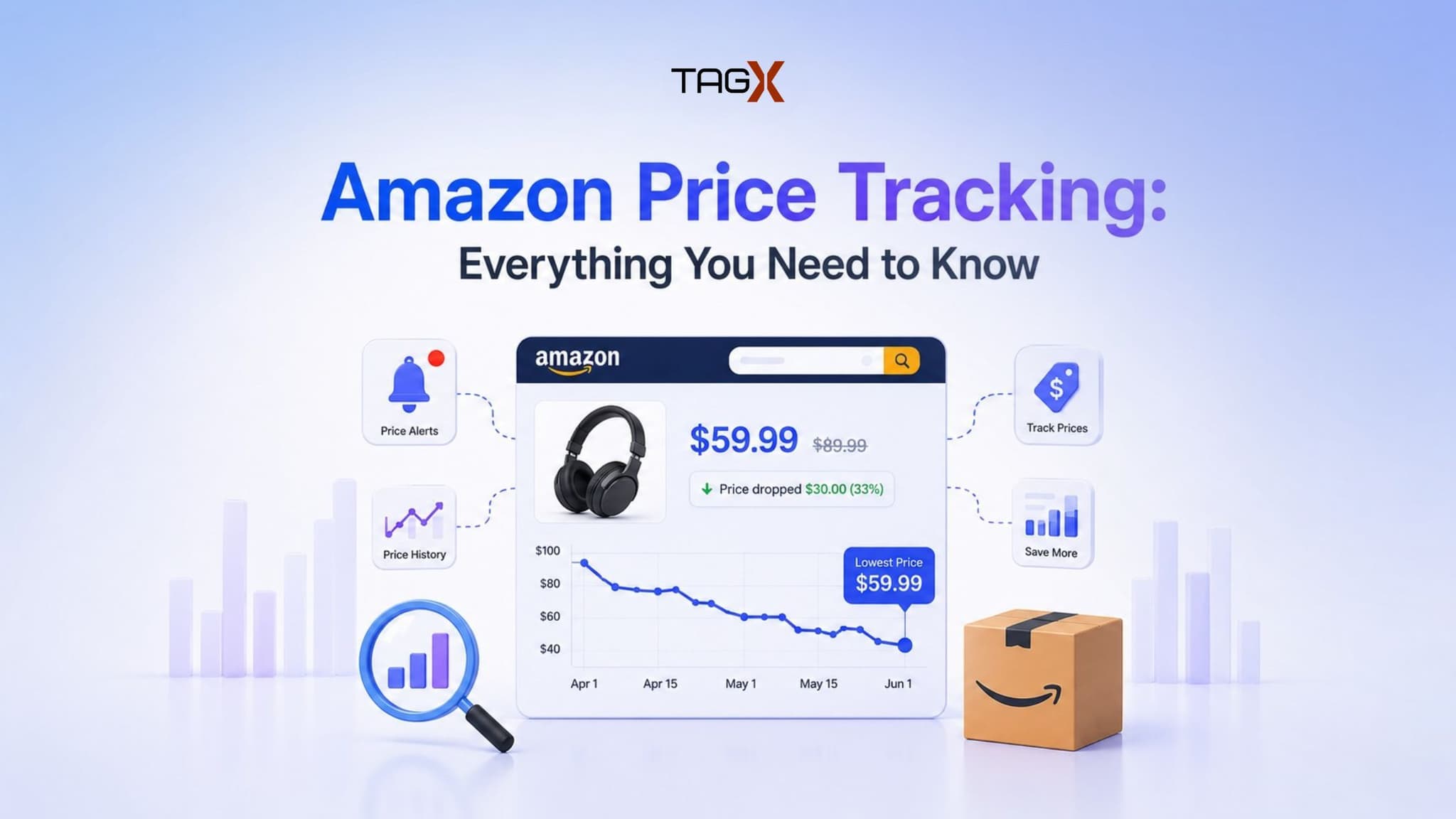
An Amazon Price Tracker is a tool that helps businesses monitor product pricing, competitor activity, and market changes on Amazon. It tracks how prices fluctuate over time, allowing companies to analyse pricing patterns without manually checking individual listings.
Instead of relying only on current prices, businesses can use price tracking data to analyse trends, track competitors, and identify pricing opportunities.
Whether you are a brand, retailer, marketplace seller, or market research company, an Amazon Price Tracker helps you make data-driven pricing decisions, strengthen competitive positioning, and respond quickly to changes in the eCommerce market.
Why Do Amazon Prices Change So Often?
Amazon prices change frequently due to its dynamic pricing model, where product prices are automatically adjusted based on real-time market conditions, competitor activity, customer demand, and inventory levels.
Several factors influence Amazon price fluctuations, including:
- Competitor Pricing: Sellers adjust prices to stay competitive and attract buyers. Tracking these changes reveals competitor strategy.
- Customer Demand: Higher demand can raise prices, while lower demand often leads to discounts.
- Inventory Levels: Low stock can push prices up, while excess inventory may lower them.
- Seasonal Events: Events like Prime Day, Black Friday, and holidays often trigger major price changes.
- Promotions and Market Trends: Coupons, Lightning Deals, and competitor moves can influence pricing.
For businesses, these price changes provide valuable insights into market behaviour and competitive strategies.
Why Amazon Price History Matters for Businesses
A product's current price only provides a snapshot of the market. To understand pricing behaviour, businesses need historical Amazon price data that shows how products, competitors, and categories have changed over time.
By analysing historical pricing data, companies can:
- Track competitor pricing: See how often competitors change prices and how they respond to launches, promotions, and inventory shifts.
- Identify trends: Spot seasonal patterns, recurring discounts, promotions, and long-term demand changes.
- Optimise pricing decisions: Set more competitive price points while protecting margins and improving profitability.
- Evaluate promotions: Measure whether discounts, coupons, and limited-time offers actually influence sales performance.
- Find revenue opportunities: Detect underpriced or overpriced products and adjust strategy to improve market share.
Instead of reacting to price changes after they happen, companies can use historical data to anticipate trends, improve strategies, and make data-driven decisions.
The Importance of Real-Time Amazon Price Monitoring
Amazon's marketplace experiences continuous pricing shifts, and delayed pricing insights can result in missed opportunities.
Real-time price monitoring helps companies track competitor activity, market changes, and product updates instantly.
Automated tracking keeps pricing updates in one place, helping teams react faster to market changes.
Real-time Amazon price monitoring helps organizations stay ahead by:
- Tracking competitor price changes
- Responding quickly to market shifts
- Monitoring product performance
- Spotting promotional opportunities
- Improving operational efficiency through less manual work and more strategic analysis
With continuous access to pricing updates, companies can better understand marketplace behavior, react faster to changes, and maintain a stronger competitive position.
What to Look for in an Amazon Pricing Solution
For eCommerce companies, the right Amazon price tracking solution should provide clear pricing insights without adding complexity. It should help teams understand market changes, monitor competitors, and make faster pricing decisions.
When evaluating a solution, look for:
- Historical Pricing Data to spot trends and patterns.
- Real-time monitoring for timely updates.
- Competitor tracking to follow pricing changes and promotions.
- Scalable data collection across products and categories.
- Structured data access for analysis and reporting.
A robust Amazon price-tracking solution helps businesses replace manual checks with reliable market intelligence.
Conclusion
Amazon pricing changes constantly, and companies need reliable data to understand competitors' movements, analyse market trends, and make informed pricing decisions across multiple categories, regions, and marketplaces worldwide throughout the year.
TagX helps businesses collect, monitor, and analyse Amazon pricing data at scale. With structured eCommerce data solutions, companies can gain valuable insights for competitive intelligence, market research, & pricing optimisation.
By transforming complex marketplace data into actionable insights, TagX enables faster and smarter decision-making.