

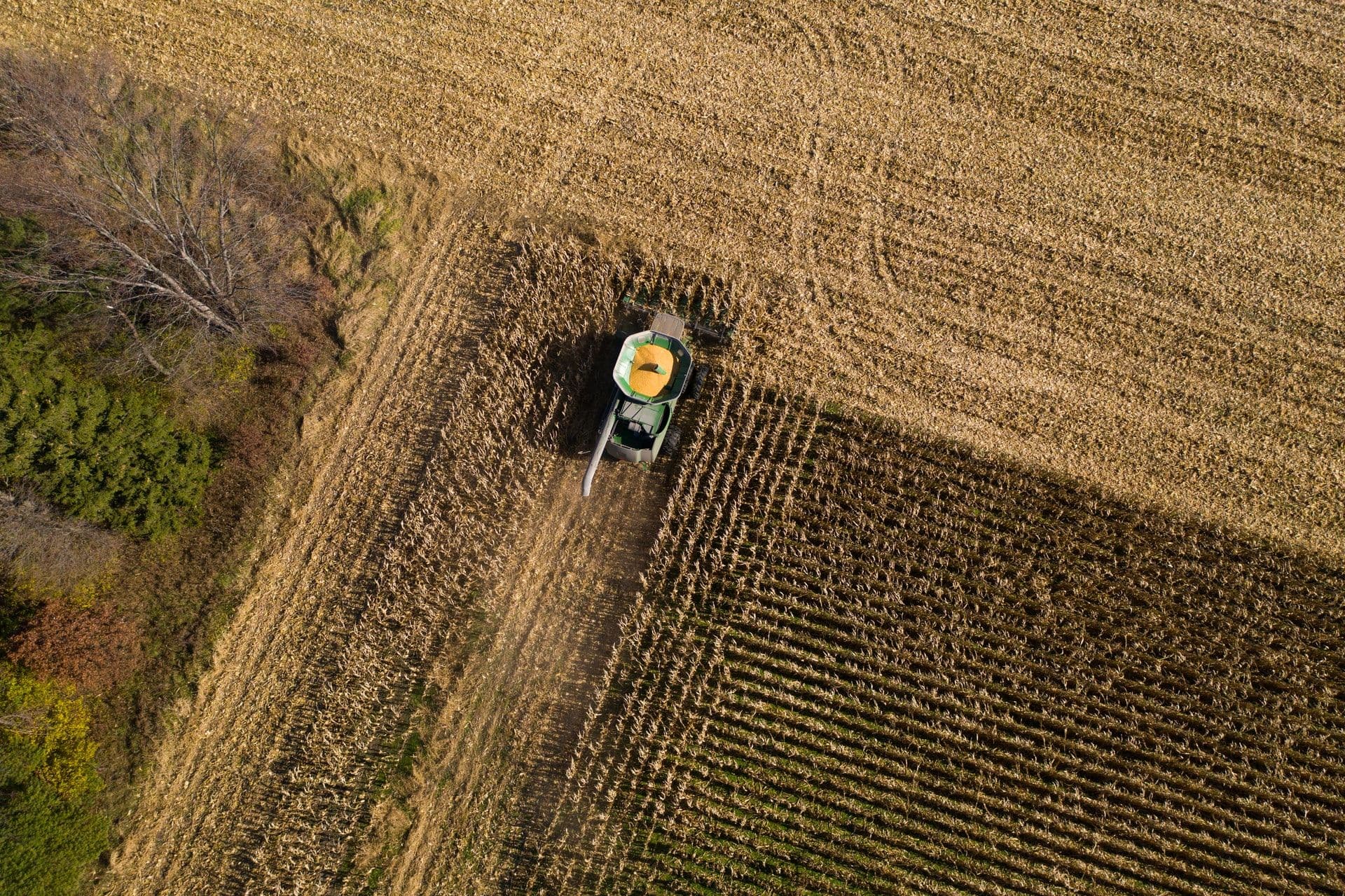
Agriculture is no longer confined to age-old practices. With the rise of AI in agriculture, farmers now have access to advanced tools that improve decision-making, optimize resources, and enhance overall productivity. From crop monitoring through drones and satellite imagery to yield prediction powered by big data analytics, AI and machine learning in agriculture are transforming farming into a smarter and more sustainable practice. These innovations not only reduce costs and labor dependency but also help address critical challenges like climate change, pest control, and food security, reshaping how we grow and manage food for the future.
AI in Agriculture: Why It Matters
The global population is growing rapidly, and with it, the demand for food production. At the same time, farmers are battling rising challenges such as erratic weather conditions, pest outbreaks, water scarcity, soil degradation, and limited availability of arable land. Traditional farming methods alone are no longer sufficient to meet these demands.
This is where AI in farming makes a significant difference. By leveraging computer vision, predictive analytics, and machine learning algorithms, AI can process vast amounts of agricultural data and turn it into meaningful insights. Farmers can use these insights to:
- Predict weather patterns and plan cultivation accordingly.
- Identify crop stress, pests, or nutrient deficiencies at an early stage.
- Optimize the use of fertilizers, pesticides, and water to minimize waste.
- Improve crop yields while reducing operational costs.
Beyond productivity, AI in agriculture also plays a key role in promoting sustainability. By enabling precision farming, AI reduces overuse of resources, lowers environmental impact, and ensures that farming practices are more resilient to climate change. In short, AI is not just helping farmers grow more, it is helping them grow smarter.
Machine Learning in Agriculture for Smarter Farming
Machine learning in agriculture enables computers to learn from agricultural datasets and predict outcomes with high accuracy. By recognizing patterns in data, ML systems can support farmers in making informed, real-time decisions.
Yield Prediction Models
Accurate yield forecasting is one of the biggest advantages of ML in farming. By analyzing historical data, soil conditions, and weather patterns, yield prediction models help farmers estimate production in advance, plan harvesting, and manage supply chains more effectively.
Disease Detection Systems
Plant health monitoring is critical for preventing crop losses. ML-powered disease detection systems analyze images of crops to identify pests, infections, or nutrient deficiencies early. With this information, farmers can act quickly, reducing damage and saving costs.
Smart Irrigation Systems
Water is one of the most valuable resources in agriculture. Smart irrigation systems powered by machine learning optimize water distribution by analyzing soil moisture levels, crop type, and weather conditions. This ensures efficient water use while maintaining healthy crop growth.
The Role of Data Preparation and Annotation
These ML applications depend heavily on structured, high-quality data. Data preparation and annotation provide the labeled datasets required to train accurate models, whether it is images of healthy and diseased crops, soil condition readings, or weather data. Without well-annotated data, ML systems cannot deliver reliable results.
Partner with TagX for high-quality data annotation that powers reliable AI systems in agriculture.
How AI is Used in Agriculture for Crop Monitoring
One of the most impactful applications of AI in agriculture is crop monitoring. By using drones, satellites, and ground-based sensors, farmers can now capture real-time images and data from their fields. These datasets are then analyzed by AI models to provide valuable insights that improve farming efficiency and productivity.
Tracking Crop Growth at Every Stage
AI systems can monitor crop development throughout the entire growing cycle. This helps farmers understand growth patterns, compare expected versus actual performance, and make timely adjustments to maximize yield.
Detecting Diseases and Pests Early
AI in farming plays a vital role in identifying early signs of crop diseases or pest infestations. Computer vision models can analyze images of plants to detect even the smallest irregularities, allowing farmers to take quick action and prevent large-scale damage.
Identifying Nutrient Deficiencies and Soil Health Issues
Soil health directly affects crop output. AI-powered crop monitoring can analyze soil conditions and detect nutrient deficiencies, enabling farmers to apply fertilizers more precisely and reduce unnecessary chemical usage.
Benefits of AI-Powered Crop Monitoring
By integrating AI in agriculture for crop monitoring, farmers save time, reduce costs, and improve yield quality. Preventive measures become easier to implement, ensuring healthier crops and more sustainable farming practices.
Data Annotation for Agriculture: The Backbone of AI Models
Behind every smart farming solution lies high-quality data. Data annotation for agriculture involves labeling images, videos, and sensor data so that AI models can recognize crops, weeds, pests, and field conditions. Examples include:
- Image annotation to identify plant diseases on leaves.
- Drone image labeling for mapping large farmlands.
- Semantic segmentation for distinguishing crops from weeds.
AI in Farming Equipment and Automation
Modern AI in farming is not limited to data analysis alone. It is also revolutionizing farm equipment and machinery, making agricultural operations faster, smarter, and more efficient. From smart tractors to AI-powered drones and autonomous harvesting robots, these technologies are transforming how farming tasks are carried out.
Automating Sowing and Harvesting
AI-powered machinery can plant seeds with precision and harvest crops at the right time, reducing dependency on manual labor. This ensures consistency in crop production and minimizes waste.
Autonomous Field Navigation
Smart tractors and robots equipped with computer vision and GPS can navigate fields without human intervention. They can plow, sow, and maintain crops with high accuracy, even in challenging conditions.
Precision Spraying and Fertilization
Using sensors and AI algorithms, drones and robotic sprayers can apply fertilizers and pesticides only where they are needed. This targeted approach reduces chemical waste, cuts costs, and lowers the environmental impact of farming.
Benefits of AI in Agriculture for Farmers
The adoption of AI in agriculture offers multiple benefits, including:
- Reduced waste of water, fertilizers, and pesticides.
- Higher crop yield with precision farming.
- Early problem detection to avoid crop losses.
- Lower labor dependency through automation.
- Data-driven decision-making for sustainable farming.
The Future of AI in Agriculture
As technology advances, machine learning in agriculture will continue to improve predictions and efficiency. Integration of AI with IoT devices, real-time satellite monitoring, and predictive analytics will lead to smarter farms worldwide. Companies like TagX will play a crucial role in preparing quality datasets that make these innovations possible.
Conclusion
The future of farming depends on AI in agriculture and machine learning in agriculture. From precision farming to smart crop monitoring, these technologies make agriculture more efficient, sustainable, and productive. With expert data annotation for agriculture, businesses like TagX empower AI models to deliver accurate results, helping farmers achieve better yields and sustainable growth.
TagX delivers the data foundation you need for smarter, more reliable AI in agriculture.